Naxos

Sicily (East Coast)

According to Thucydides, Naxos was the first Greek apoikia founded in Sicily, in 734 BC. In 476 BC it was destroyed by Syracuse, its rival. It was rebuilt in 466 BC. In 431 BC it allied itself with the Athenians against Syracuse, which, once victorious, razed the city completely in 403 BC. Naxos was never rebuilt except for a few houses, and the remaining inhabitants finally abandoned it in 358 BC, settling in neighbouring Tauromenion.

Archaeological remains found during the many excavation seasons confirm 8th-century BC dates in the easternmost part of the Schisò peninsula.

Museum

Archaeological object

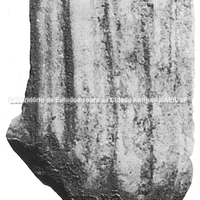
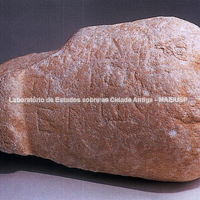
This marble piece, found in the city of Naxos in Sicily, was first published in 1985 by Margherita Guarducci. The dedicatory inscription to the goddess Enyo, a very ancient warrior deity also worshipped in the Cyclades in the Aegean and at Cyrene in North Africa, and the letter forms point to Cycladic Naxos, indicating a close connection between the two Naxos. This piece is now kept in the Archaeological Museum of Syracuse.
Bibliography (2)
  • AA.VV.,; Giardini Naxos (Kalós- Luoghi di Sicilia)
  • Cordano, F.; Naxos di Sicilia e l'Egeo
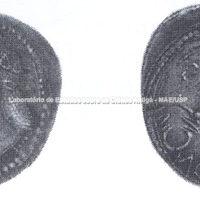
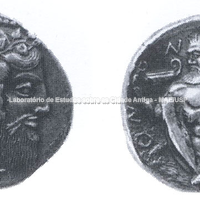
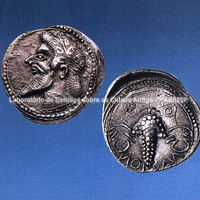
The coins of Naxos are among the oldest issued in the Greek West. The recurring theme is the head of the god Dionysus on the obverse and Silenus drinking from a cup of wine on the reverse. These were the emblems chosen by the authorities of Naxos for their coins. It should not be assumed that the cult of Dionysus was automatically present in the city. However, it is worth saying that the reference to the fertility of the land and to vine-growing in these images may have been a wish expressed by the city for this condition to be fulfilled. It is worth remembering that Naxos lay at the entrance to a fertile plain, nourished by the lava of the volcano Etna.

Bibliography (2)
  • AA.VV.,; Giardini Naxos (Kalós- Luoghi di Sicilia)
  • Holloway, R. R.; The Archaeology of Ancient Sicily.

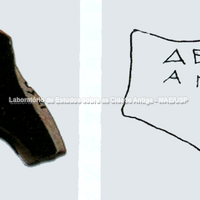
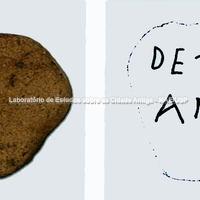
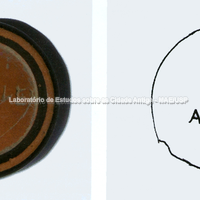
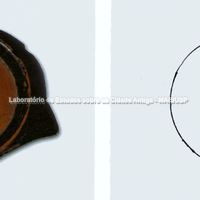
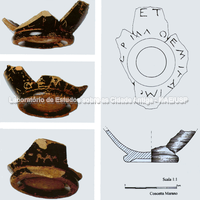
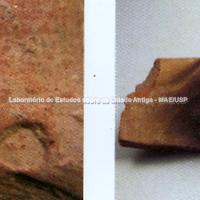
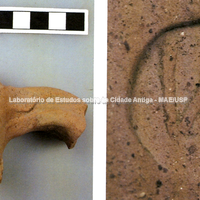
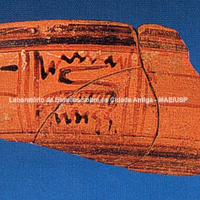
The inscribed pottery fragments were all found in the harbour installations of Naxos. Almost all date from the 5th century BC. These graffiti, made on already finished vessels, are largely trade marks, marks of ownership and references to the symposium. There are also graffiti recording votes in the context of political decisions in the city (ostraka)

Bibliography (1)
  • Lentini, M. C. (ed.); Naxos di Sicilia: l'abitato coloniale e l'arsenale navale : scavi 2003-2006

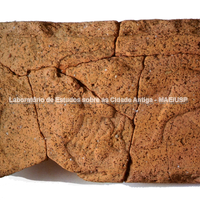
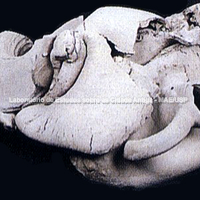
Several arulae, small private altars made of stone or clay, have been found at Naxos.

Bibliography (2)
  • AA.VV.,; Giardini Naxos (Kalós- Luoghi di Sicilia)
  • Lentini, M. C. (ed.); Naxos di Sicilia: l'abitato coloniale e l'arsenale navale : scavi 2003-2006

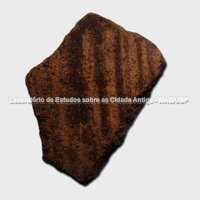
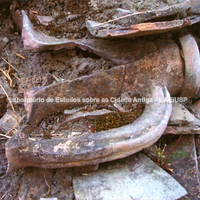
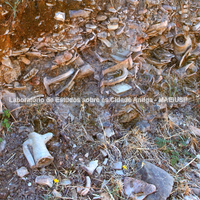
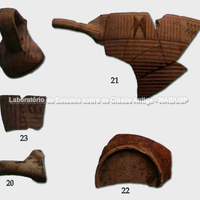
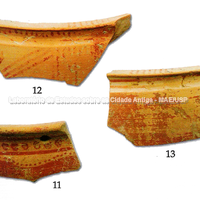
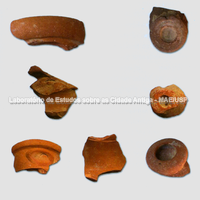
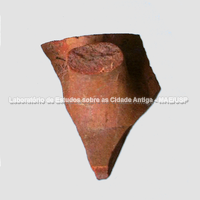
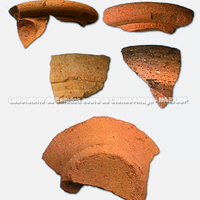
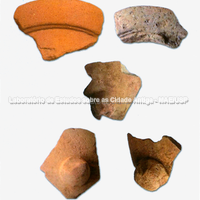
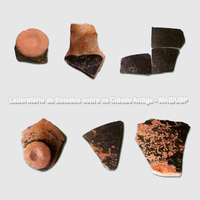
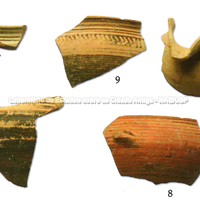
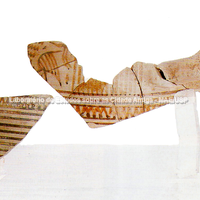
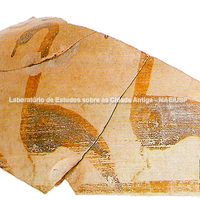
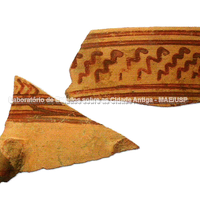
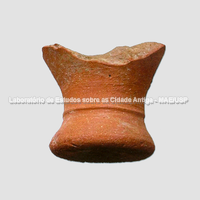
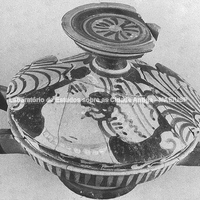
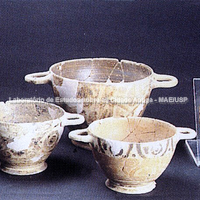
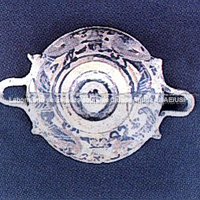
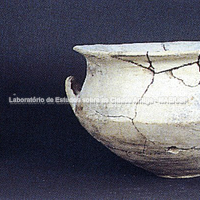
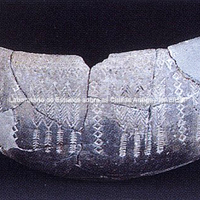
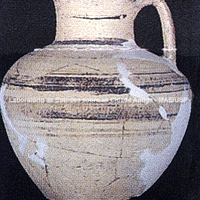
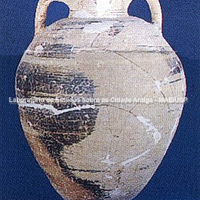
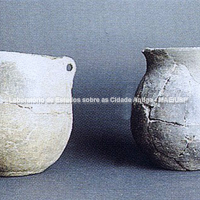
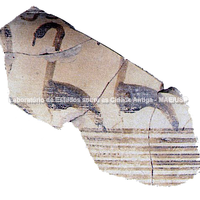
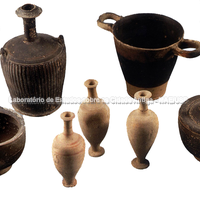
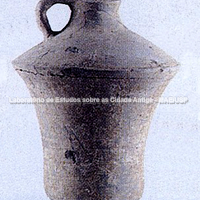
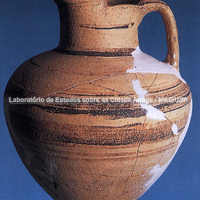
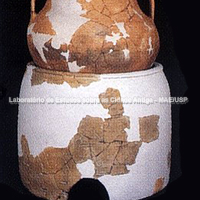
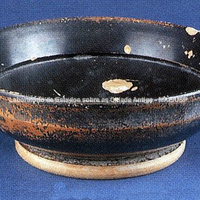
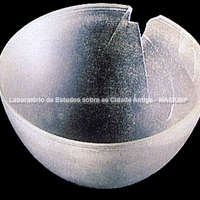
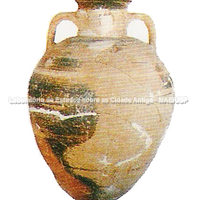
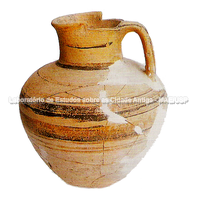
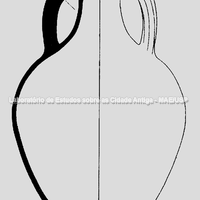
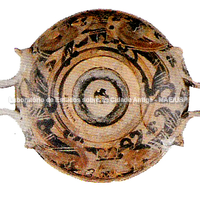
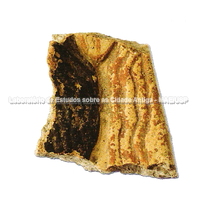
Fragmentary pottery from Naxos. Pottery has been called the "curse of archaeology": whole pieces and fragments are extremely numerous in all excavations of Greek cities, which always makes the research needed to interpret them very laborious. But its documentary potential is enormous. Not only do we learn how vessels were part of the daily life of the Greeks, but through them we can detect religious rituals; we can assign specific functions to buildings that archaeology reveals only in outline; we can date entire spaces by the occurrence of certain types of vessel, and so on. We can even date the different phases of occupation of a site through the precise study of pottery styles and shapes. Sometimes a single fragment can transport us directly into ancient society.

Many of the pottery fragments found at Naxos come from a sacrificial pit (bothros) excavated in houses of the Archaic period. It is interesting to note that these first houses were built over huts or other remains of the Iron Age "Thapsos culture" in Sicily. Among these fragments there is Corinthian, Euboean and Phoenician pottery.

Bibliography (3)
  • Alaimo, F.; Lentini, M. C.; Giardini Naxos.
  • AA.VV.,; Giardini Naxos (Kalós- Luoghi di Sicilia)
  • Lentini, M. C. (ed.); Naxos di Sicilia: l'abitato coloniale e l'arsenale navale : scavi 2003-2006

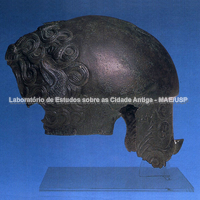
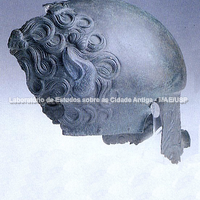
Bronze armour: helmet. Here too it is interesting to observe how knowledge is conveyed differently in black-and-white and in colour images. Which brings us closer to material reality? What impression is conveyed by photographs of the object alone, fragmented and out of its context of use?

Bibliography (2)
  • AA.VV.,; Giardini Naxos (Kalós- Luoghi di Sicilia)
  • Musumeci, M.; Il Museo Archeologico di Lentini.
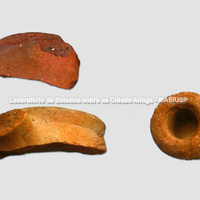
Pottery has been called the "curse of archaeology": whole pieces and fragments are extremely numerous in all excavations of Greek cities, which always makes the research needed to interpret them very laborious. But its documentary potential is enormous. Not only do we learn how vessels were part of the daily life of the Greeks, but through them we can detect religious rituals; we can assign specific functions to buildings that archaeology reveals only in outline; we can date entire spaces by the occurrence of certain types of vessel, and so on. We can even date the different phases of occupation of a site through the precise study of pottery styles and shapes. Sometimes a single fragment can transport us directly into ancient society.

Bibliography (5)
  • Alaimo, F.; Lentini, M. C.; Giardini Naxos.
  • AA.VV.,; Giardini Naxos (Kalós- Luoghi di Sicilia)
  • AA.VV.,; L’Italia dei Greci - Archeoguide.
  • Lentini, M. C.; Museo Archeologico Giardini Naxos.
  • Lentini, M. C. (ed.); Naxos di Sicilia: l'abitato coloniale e l'arsenale navale : scavi 2003-2006

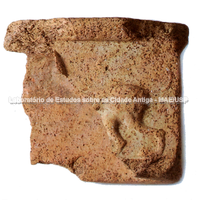
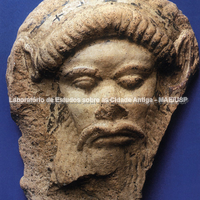
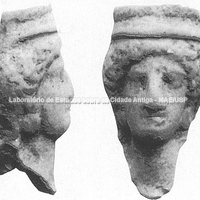
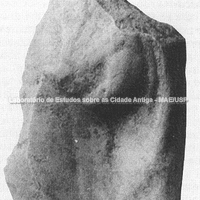
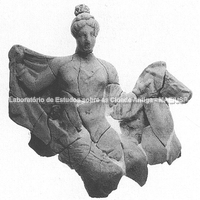
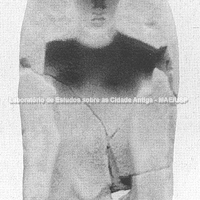
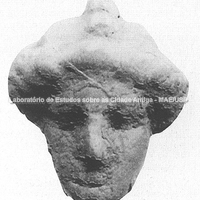
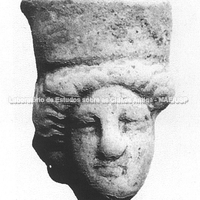
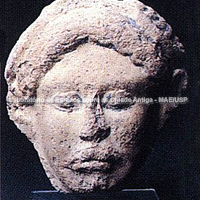
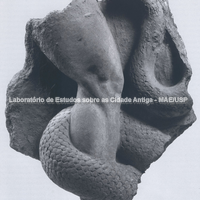
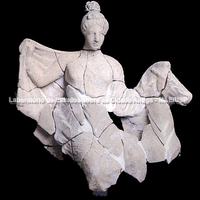
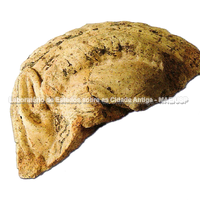
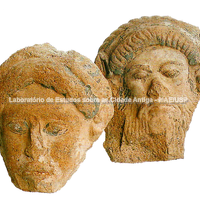
As with pottery, at most Classical sites terracotta statuettes are always very numerous. Toys, portable ritual objects, ornaments, architectural decoration: terracottas are objects frequently found in archaeological contexts. Usually made in moulds, there are numerous statuettes reproduced from the same matrix.

Bibliography (6)
  • Alaimo, F.; Lentini, M. C.; Giardini Naxos.
  • AA.VV.,; Giardini Naxos (Kalós- Luoghi di Sicilia)
  • Miro, E. D. (ed.); Braccesi, L. (ed.); Bonacasa, N. (ed.); La Sicilia dei due Dionisî.
  • Lentini, M. C.; Museo Archeologico Giardini Naxos.
  • Lentini, M. C. (ed.); Naxos di Sicilia: l'abitato coloniale e l'arsenale navale : scavi 2003-2006
  • Minà, P.; Urbanistica e architettura nella Sicília greca.

Forms of occupation of the ásty

Urban grid: acropolis, block, agora, plateiai, stenopoi, orientation

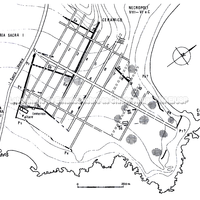
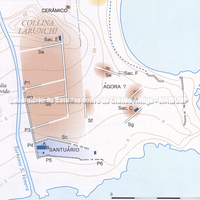
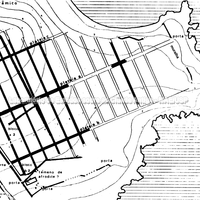
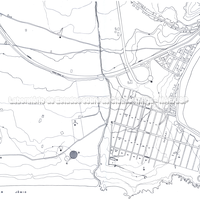
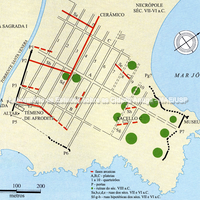
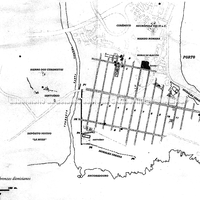
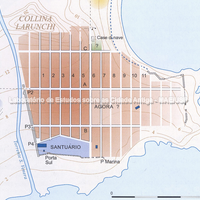
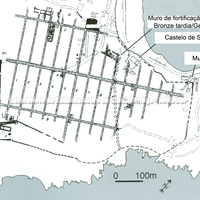
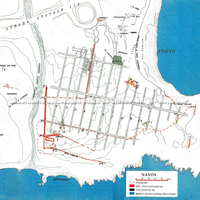
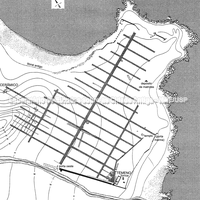
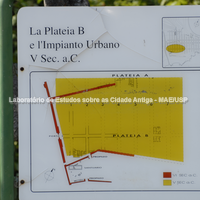
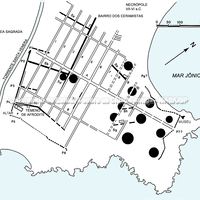
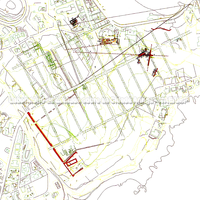
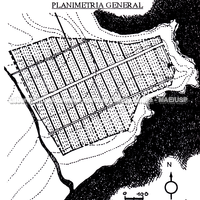
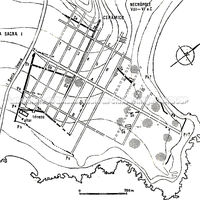
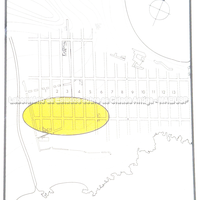
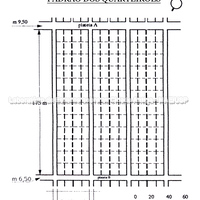
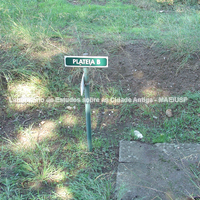
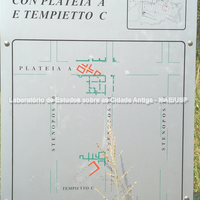
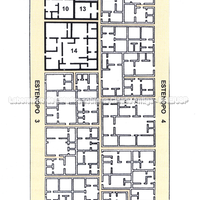
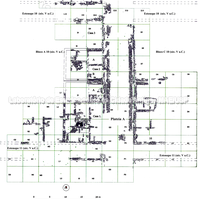
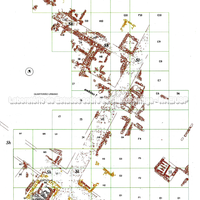
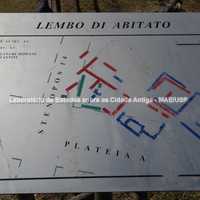
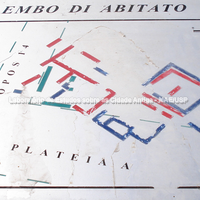
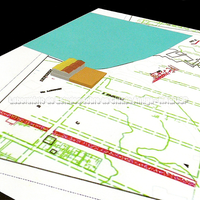
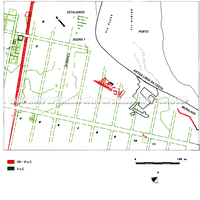
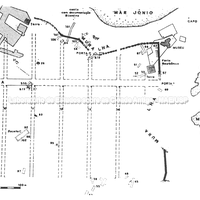
Numerous plans of the city of Naxos are shown here. The point is to show how a city, which is necessarily a three-dimensional reality, is represented in flat form and in very varied ways. Some show the urban grid by period of development; others focus more on the sacred areas, others highlight the size of the blocks, others record the distribution of objects in space, and so on. Together they form a body of documentation that helps us understand how the inhabitants organised activities in the space of a city.

Bibliography (15)
  • Cordano, F.; Antiche fondazioni greche: Sicilia e Italia. meridionale
  • Martin, R.; Architecture et Urbanisme.
  • Mertens, D.; Città e monumenti dei Greci d’Occidente.
  • Silva, W. S. e.; Foto acervo Labeca
  • Alaimo, F.; Lentini, M. C.; Giardini Naxos.
  • AA.VV.,; Giardini Naxos (Kalós- Luoghi di Sicilia)
  • Frederiksen, R.; Greek City Walls of the Archaic Period, 900-480 BC (Oxford Monographs on Classical Archaeology)
  • Tsetskhladze, G. R. (ed.); Greek Colonisation: An Account of Greek Colonies and Other Settlements Overseas (Mnemosyne, Bibliotheca Classica Batava Supplementum)
  • Hellmann, M.; L’ Architecture Grecque. 1. Les principes de la construction.
  • Miro, E. D. (ed.); Braccesi, L. (ed.); Bonacasa, N. (ed.); La Sicilia dei due Dionisî.
  • Lentini, M. C. (ed.); Naxos di Sicilia: l'abitato coloniale e l'arsenale navale : scavi 2003-2006
  • Coarelli, F.; Torelli, M.; Sicilia - Guide Archeologiche Laterza.
  • Longo, F.; Jannelli, L.; Cerchiai, L.; The Greek Cities of Magna Graecia and Sicily.
  • Carratelli, G. P. (ed.); The Greek world: art and civilization in Magna Graecia and Sicily.
  • Minà, P.; Urbanistica e architettura nella Sicília greca.

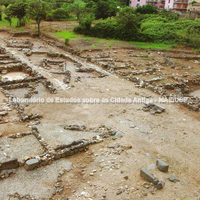
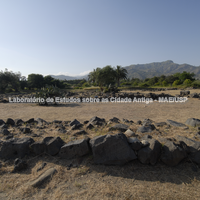
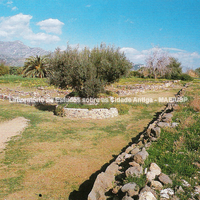
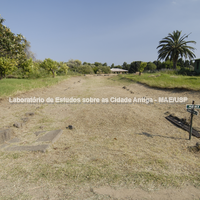
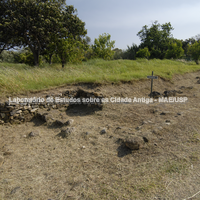
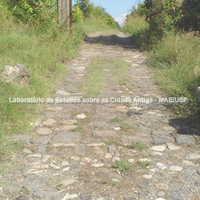
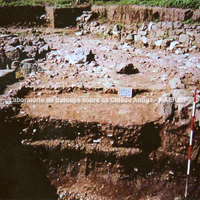
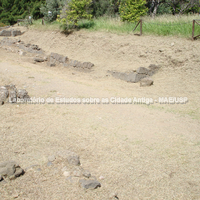
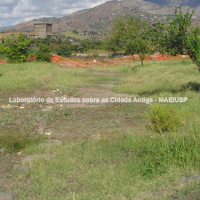
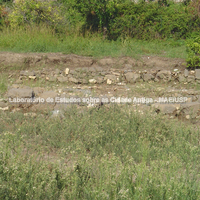
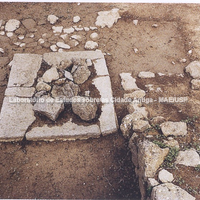
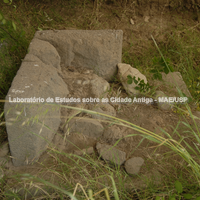
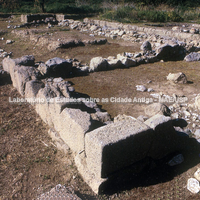
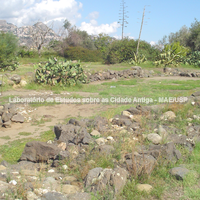
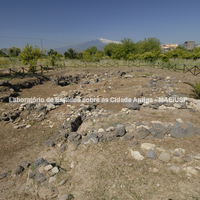
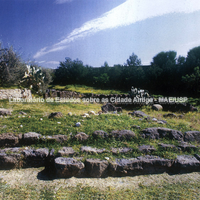
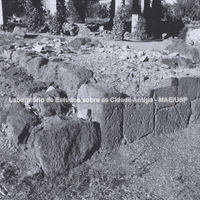
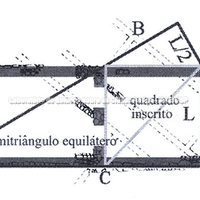
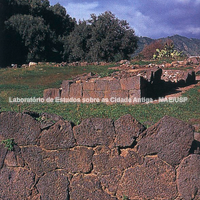
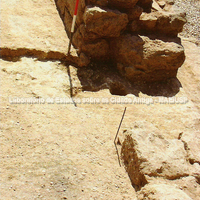
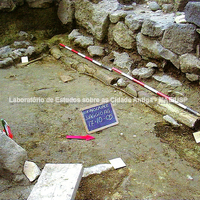
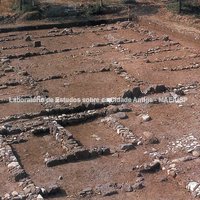
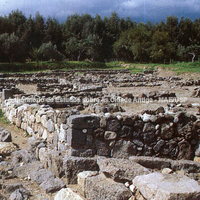
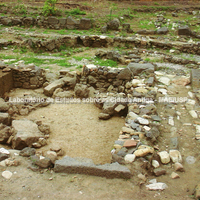
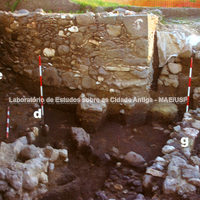
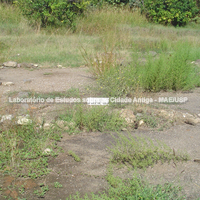
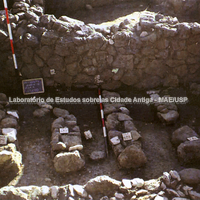
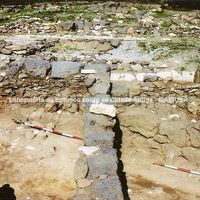
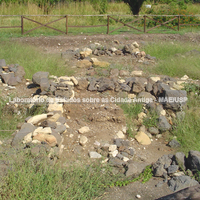
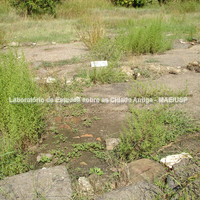
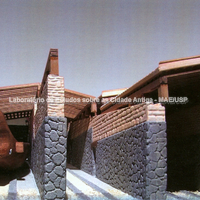
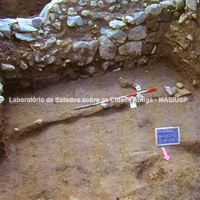
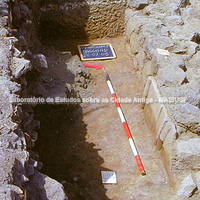
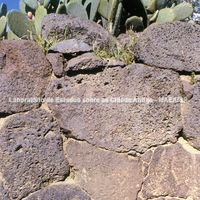
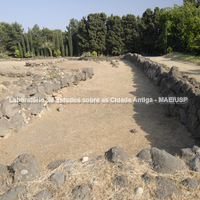
The urban grid of Naxos was orthogonal, roughly N-S and E-W. In fact there are two superimposed plans, an older one and a more recent one, with a slight difference in orientation between them. Black volcanic stone was widely used in building walls. Quite significant is the fact that many street corners were marked with larger square stones, perhaps with some ritual meaning.

Bibliography (6)
  • Mertens, D.; Città e monumenti dei Greci d’Occidente.
  • Silva, W. S. e.; Foto acervo Labeca
  • Labeca,; Foto Acervo Labeca
  • Alaimo, F.; Lentini, M. C.; Giardini Naxos.
  • Lentini, M. C. (ed.); Naxos di Sicilia: l'abitato coloniale e l'arsenale navale : scavi 2003-2006
  • Lentini, M. C.; Naxos: The earliest Greek colony in Sicily.

There is always a debate about Greek urban grids: were they built from a street-layout design or from a specific measurement of blocks? An interesting topic with several interpretative strands, including philosophical questions.

Bibliography (1)
  • Bollati, R.; Bollati, S.; Siracusa: genesi di una città. Tessuto urbano di Ortigia.

The urban grid of Naxos was orthogonal, roughly N-S and E-W. Black volcanic stone was widely used in building walls. Quite significant is the fact that many street corners were marked with larger square stones, perhaps with some ritual meaning.

Bibliography (4)
  • Mertens, D.; Città e monumenti dei Greci d’Occidente.
  • Labeca,; Foto Acervo Labeca
  • Alaimo, F.; Lentini, M. C.; Giardini Naxos.
  • Lentini, M. C. (ed.); Naxos di Sicilia: l'abitato coloniale e l'arsenale navale : scavi 2003-2006

Borders

Natural features: rivers, topography, sea

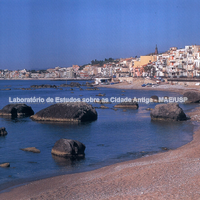
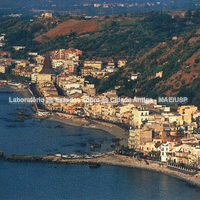
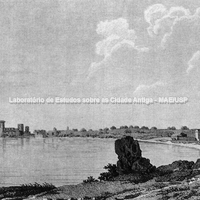
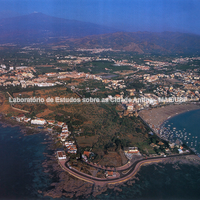
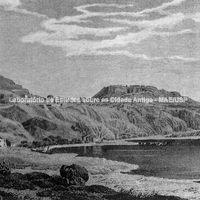
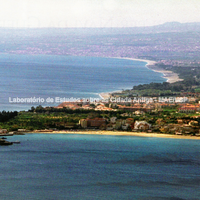
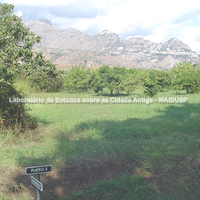
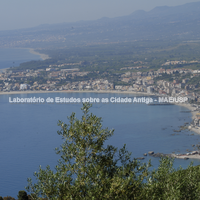
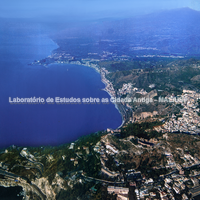
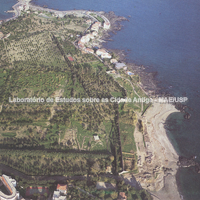
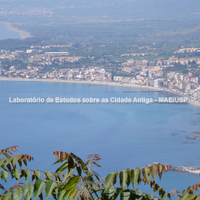
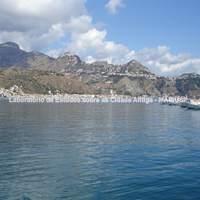
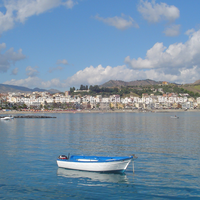
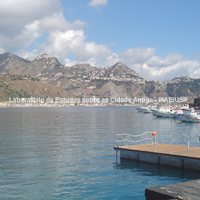
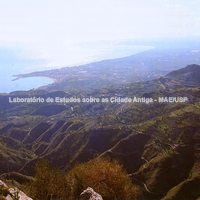
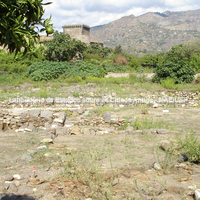
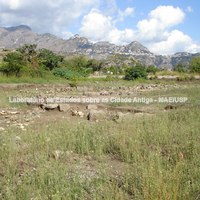
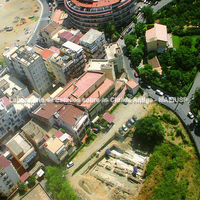
Views of the Bay of Naxos. Note the good topographical position chosen for the city.

Bibliography (7)
  • Silva, W. S. e.; Foto acervo Labeca
  • Labeca,; Foto Acervo Labeca
  • Alaimo, F.; Lentini, M. C.; Giardini Naxos.
  • AA.VV.,; Giardini Naxos (Kalós- Luoghi di Sicilia)
  • AA.VV.,; L’Italia dei Greci - Archeoguide.
  • Lentini, M. C. (ed.); Naxos di Sicilia: l'abitato coloniale e l'arsenale navale : scavi 2003-2006
  • Carratelli, G. P.; Sikanie: Storia e civiltà della Sicilia greca.

Forms of occupation of the ásty

Work areas: workshops

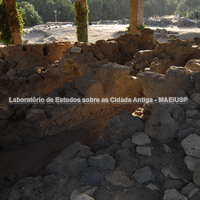
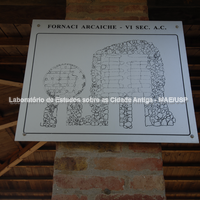
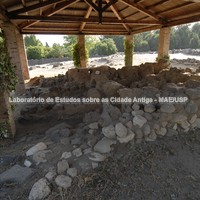
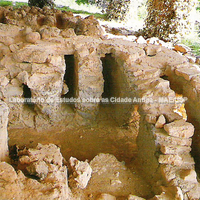
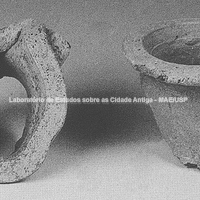
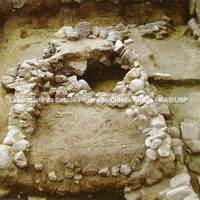
Kilns for firing terracotta or ceramic objects installed inside the temenos of the Archaic sanctuary.

The circular kiln was probably used for firing pottery vessels and the rectangular kiln for firing tiles.

Bibliography (3)
  • Silva, W. S. e.; Foto acervo Labeca
  • Labeca,; Foto Acervo Labeca
  • Alaimo, F.; Lentini, M. C.; Giardini Naxos.

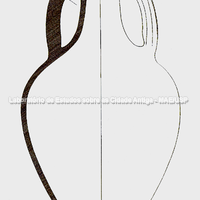
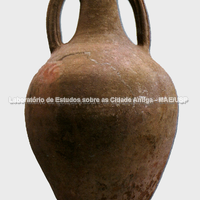
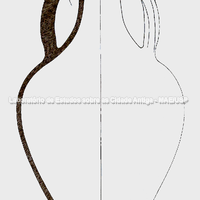
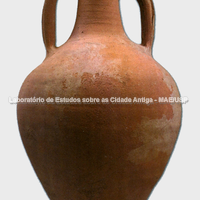
Spaces used as work areas are often identified by waste from the objects produced, by objects discarded because they were defective, and also by the presence of moulds or other tools. In this sample of images we can see all these examples. The concentration of amphorae in a space next to the naval arsenal of Naxos may also suggest the existence of a commercial agora near the harbour.

Bibliography (4)
  • Mertens, D.; Città e monumenti dei Greci d’Occidente.
  • Miro, E. D. (ed.); Braccesi, L. (ed.); Bonacasa, N. (ed.); La Sicilia dei due Dionisî.
  • Lentini, M. C.; Museo Archeologico Giardini Naxos.
  • Lentini, M. C. (ed.); Naxos di Sicilia: l'abitato coloniale e l'arsenale navale : scavi 2003-2006

Forms of occupation of the khóra

Sacred areas: deposits, temples, shrines, sanctuaries, altars

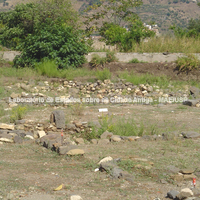
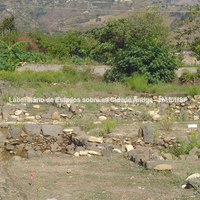
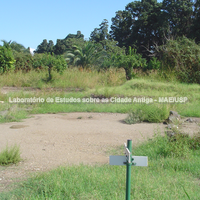
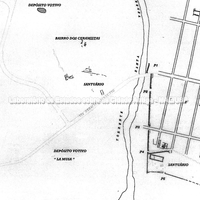
Sanctuary on the other side of the Santa Venera stream, to the west and outside the city walls.

Bibliography (3)
  • Silva, W. S. e.; Foto acervo Labeca
  • Alaimo, F.; Lentini, M. C.; Giardini Naxos.
  • Minà, P.; Urbanistica e architettura nella Sicília greca.

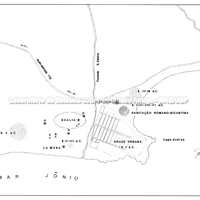
Location of an extra-urban sanctuary beyond the Santa Venera stream on the Scalia property.

Bibliography (1)
  • Veronese, F.; Lo spazio e la dimensione del sacro: santuari greci e territorio nella Sicilia arcaica

Forms of occupation of the ásty

Sacred areas: deposits, temples, shrines, sanctuaries, altars

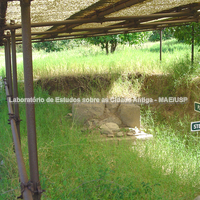
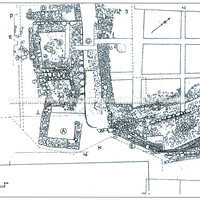
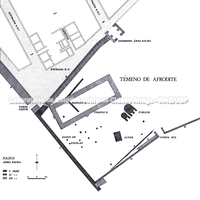
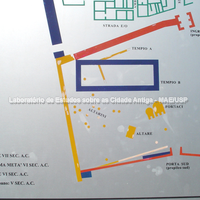
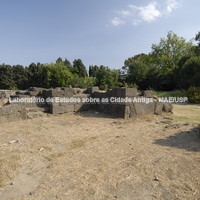
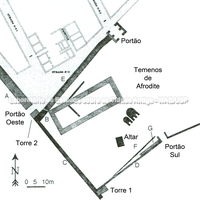
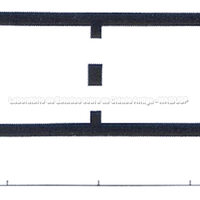
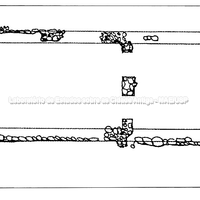
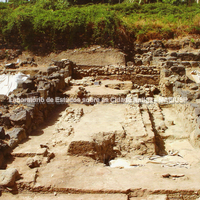
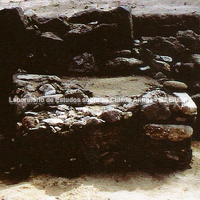
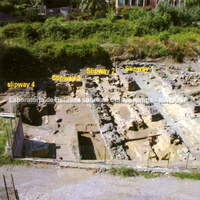
At Naxos a 7th-century BC temenos dedicated to Aphrodite was excavated, in which an altar, remains of the various phases of the temple (7th and 6th centuries BC) and several pottery kilns can be distinguished. This temenos lies at the southern edge of the city, bordering the wall itself. Two entrances to the sacred area have been identified: a larger, more monumental one to the north (propylon) and a simpler one to the south. This sacred area is also associated with one of the gates (gate 3) in the walls, which opens precisely onto the Santa Venera stream and the area not enclosed by the wall. We should remember that this gate could have provided the link with the extra-urban sanctuaries beyond the Santa Venera stream, which lie roughly in the same direction.

Bibliography (6)
  • Mertens, D.; Città e monumenti dei Greci d’Occidente.
  • Silva, W. S. e.; Foto acervo Labeca
  • Labeca,; Foto Acervo Labeca
  • Frederiksen, R.; Greek City Walls of the Archaic Period, 900-480 BC (Oxford Monographs on Classical Archaeology)
  • Miro, E. D. (ed.); Braccesi, L. (ed.); Bonacasa, N. (ed.); La Sicilia dei due Dionisî.
  • Longo, F.; Jannelli, L.; Cerchiai, L.; The Greek Cities of Magna Graecia and Sicily.

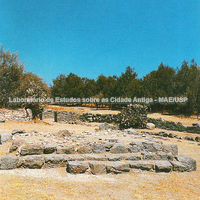
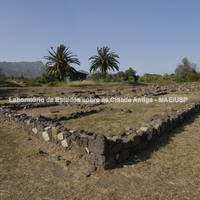
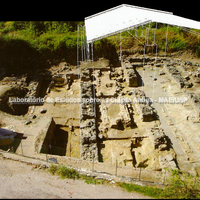
Located near Capo Schisò, the small Archaic temple C documents religious life in the early days of the apoikia of Naxos. It lies in the oldest layer of the city (8th century BC)

Bibliography (3)
  • Labeca,; Foto Acervo Labeca
  • Veronese, F.; Lo spazio e la dimensione del sacro: santuari greci e territorio nella Sicilia arcaica
  • Minà, P.; Urbanistica e architettura nella Sicília greca.

Building techniques

Architectural details

Building techniques are elements that make it possible to date a building, identify trade routes for raw materials, and gauge the degree of technological complexity reached by a human group. The excavations at Naxos show numerous construction details of great importance for our knowledge of Greek society between the 8th and 4th centuries BC.

Bibliography (2)
  • AA.VV.,; Giardini Naxos (Kalós- Luoghi di Sicilia)
  • Lentini, M. C. (ed.); Naxos di Sicilia: l'abitato coloniale e l'arsenale navale : scavi 2003-2006

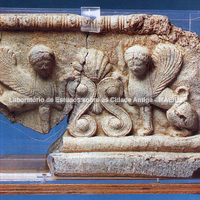
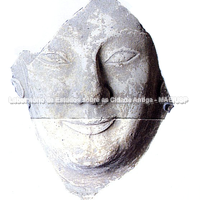
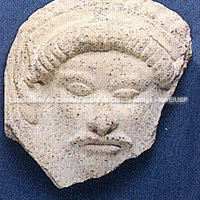
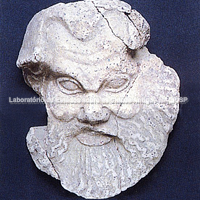
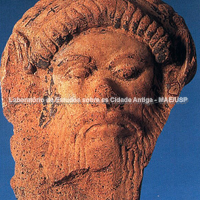
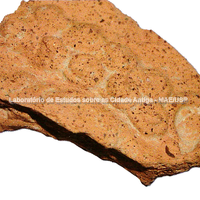
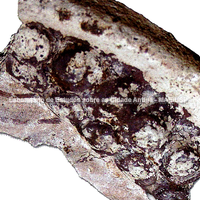
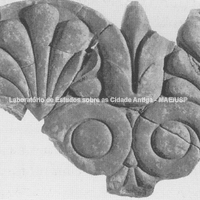
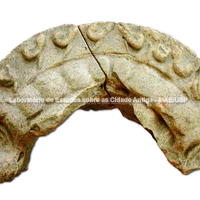
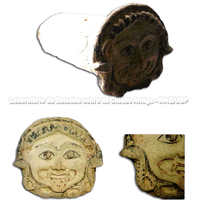
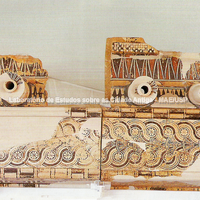
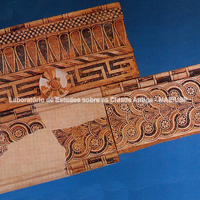
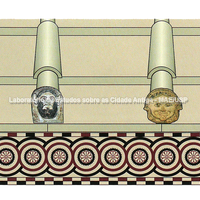
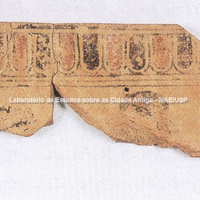
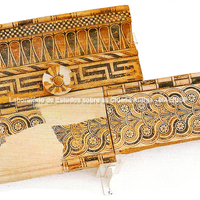
Roofs, pediments and façades in the public architecture of Naxos often received painted clay decoration. The eaves of the roofs ended in tiles adorned with heads of sileni, gorgons or other figures, called antefixes; painted bands adorned the upper part of the walls; the pediments were painted in bright colours.

Bibliography (4)
  • Mertens, D.; Città e monumenti dei Greci d’Occidente.
  • Alaimo, F.; Lentini, M. C.; Giardini Naxos.
  • AA.VV.,; Giardini Naxos (Kalós- Luoghi di Sicilia)
  • Lentini, M. C. (ed.); Naxos di Sicilia: l'abitato coloniale e l'arsenale navale : scavi 2003-2006

Research methodology

Archaeology of space

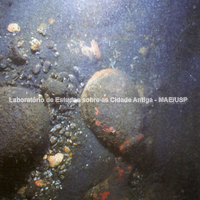
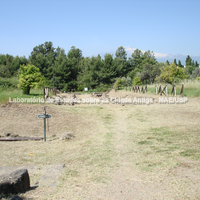
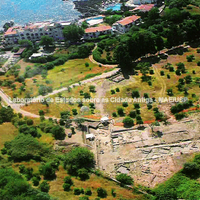
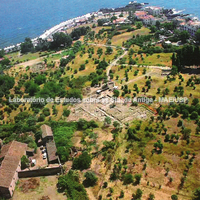
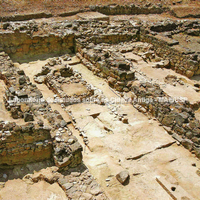
Naxos has been extensively excavated and today many sectors of the ancient city can be visited by ordinary tourists. Other sectors remain beneath the modern town of Giardini Naxos. Underwater surveys have also been carried out off the coast at Naxos, revealing important aspects of the harbour installations.

Bibliography (3)
  • Silva, W. S. e.; Foto acervo Labeca
  • Labeca,; Foto Acervo Labeca
  • Lentini, M. C. (ed.); Naxos di Sicilia: l'abitato coloniale e l'arsenale navale : scavi 2003-2006

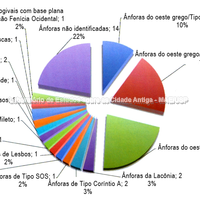
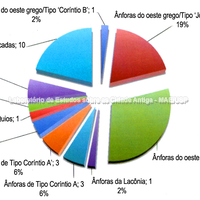
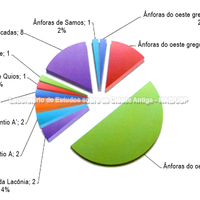
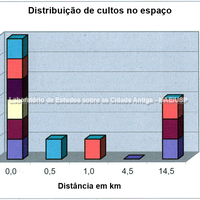
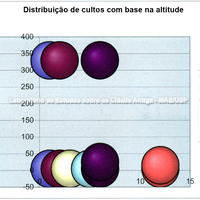
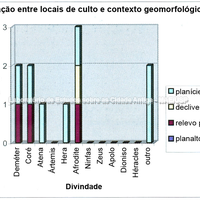
One aspect of the archaeologist's work is to record the proportions of the various finds at an archaeological site. In this case the proportions of the various types of amphorae found in the naval arsenal of Naxos are calculated, pointing to the origins of the city's imports. Other graphs help us visualise the distribution of structures in space.

Bibliography (2)
  • Veronese, F.; Lo spazio e la dimensione del sacro: santuari greci e territorio nella Sicilia arcaica
  • Lentini, M. C. (ed.); Naxos di Sicilia: l'abitato coloniale e l'arsenale navale : scavi 2003-2006

Forms of occupation of the ásty

Water management: channels, cisterns, wells

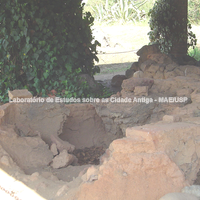
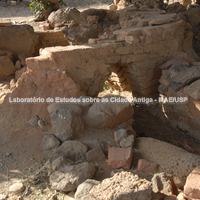
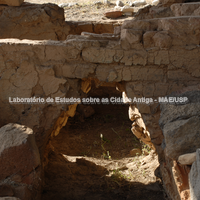
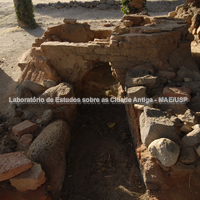
When laying out a city, a grid organising its space, the question of water supply and drainage could not be overlooked. Clay pipes and drainage channels of cut stone have been found in abundance in Greek cities. Whether feeding water to cisterns and wells or draining rainwater and/or wastewater, piping was a fundamental element in the functioning of a city.

Bibliography (1)
  • Labeca,; Foto Acervo Labeca

Forms of occupation of the ásty

Residential areas

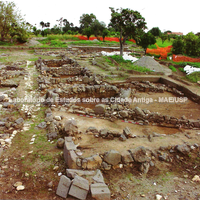
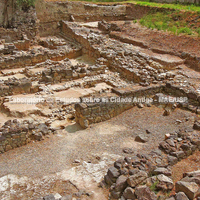
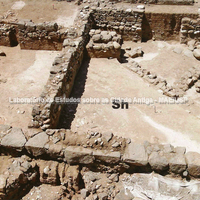
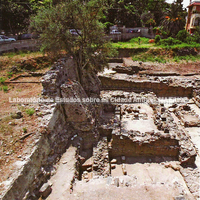
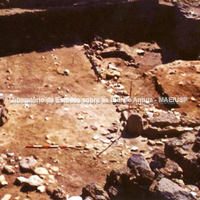
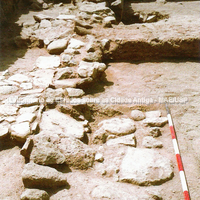
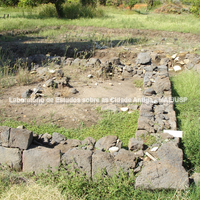
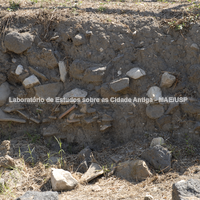
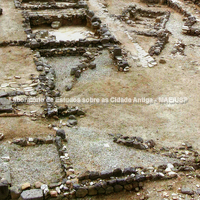
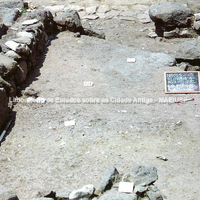
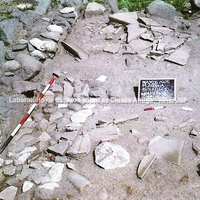
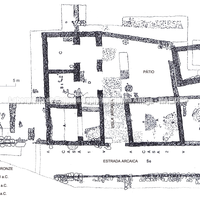
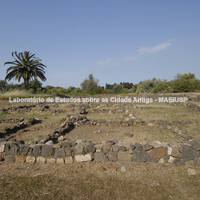
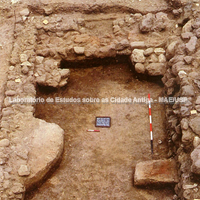
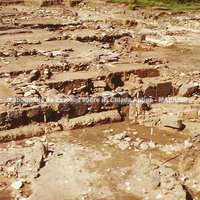
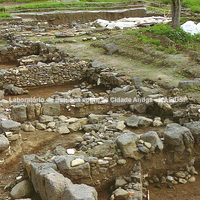
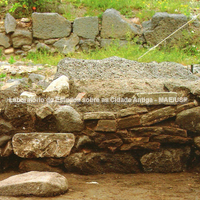
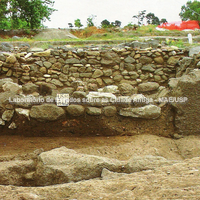
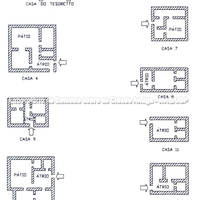
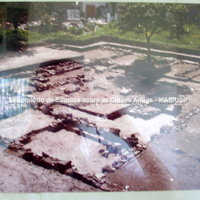
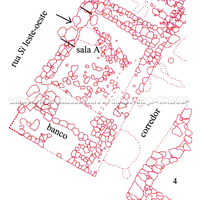
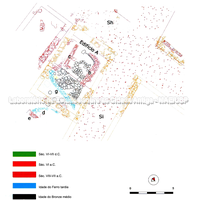
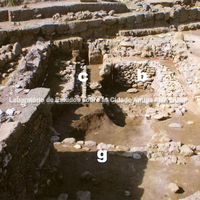
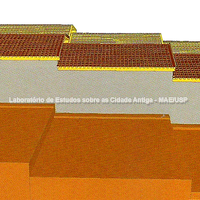
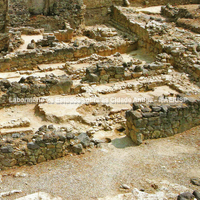
Numerous houses have been excavated at Naxos as the streets and roads were uncovered. Residential structures from the time of the foundation to the Hellenistic period have thus been detected. Internal plans of residences have been recovered, showing how the small everyday cosmos of the inhabitants was organised. It is very interesting to note here how the archaeologist works, interpreting and/or recovering the function of spaces from simple rows of stones. These, together with finds of pottery, fragments of tiles, work tools and instruments of religious ritual, even allow archaeologists to hypothesise the height and shape of the houses.

Bibliography (7)
  • Mertens, D.; Città e monumenti dei Greci d’Occidente.
  • Silva, W. S. e.; Foto acervo Labeca
  • Labeca,; Foto Acervo Labeca
  • AA.VV.,; Giardini Naxos (Kalós- Luoghi di Sicilia)
  • Cicala, L.; L’edilizia domestica tardo arcaica di Elea.
  • AA.VV.,; L’Italia dei Greci - Archeoguide.
  • Lentini, M. C. (ed.); Naxos di Sicilia: l'abitato coloniale e l'arsenale navale : scavi 2003-2006

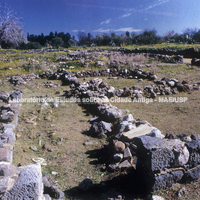
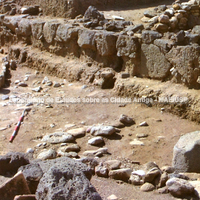
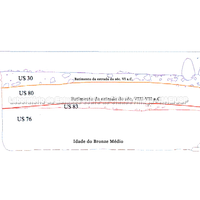
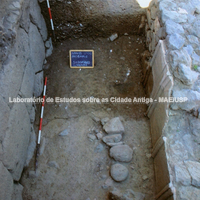
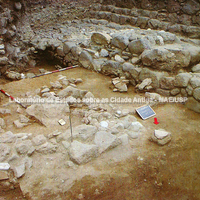
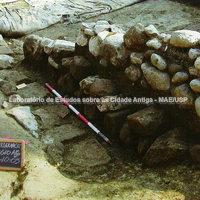
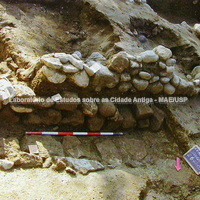
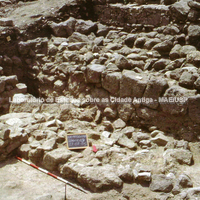
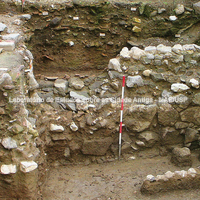
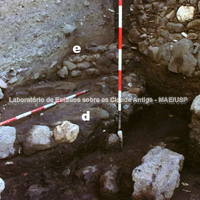
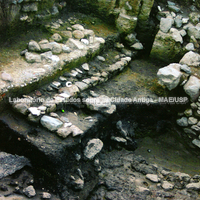
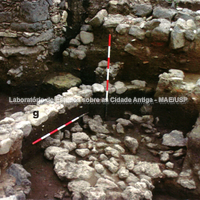
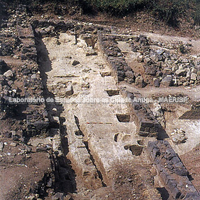
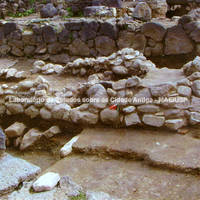
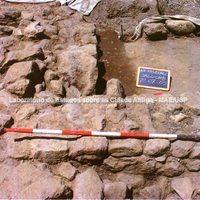
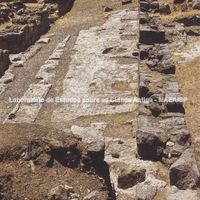
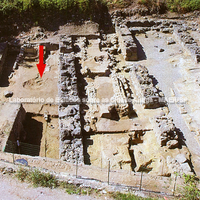
Iron Age buildings at Naxos, streets and corners of the first Greek installations at Naxos.

Bibliography (1)
  • Lentini, M. C. (ed.); Naxos di Sicilia: l'abitato coloniale e l'arsenale navale : scavi 2003-2006

Forms of occupation of the ásty

Relationship and connections between the urban grid and the harbour

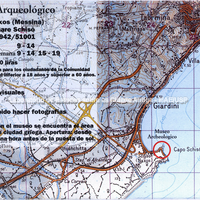
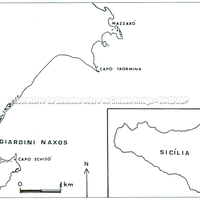
These maps clearly show the geographical position of Naxos, initially located on a small peninsula enclosing a bay. From the time of the foundation the harbour lay well inside the bay.

Bibliography (3)
  • Hansen, M. H. (ed.); A Comparative Study of Thirty City-State Cultures.
  • Veronese, F.; Lo spazio e la dimensione del sacro: santuari greci e territorio nella Sicilia arcaica
  • Lentini, M. C.; Museo Archeologico Giardini Naxos.

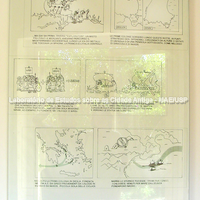
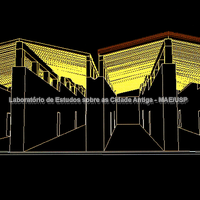
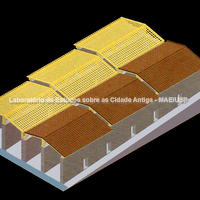
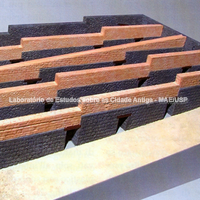
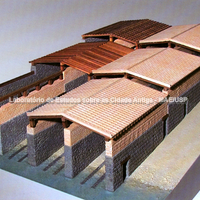
The harbour of Naxos has been extensively excavated, both on land and under water. The archaeological documentation recovered is enormous, showing how a Greek harbour functioned in the Classical period. It should be explained that few ancient Greek harbours have been excavated as extensively as that of Naxos. Here the installations of a real naval arsenal were discovered, with space for building and housing ships. On the basis of the archaeological finds, numerous reconstructions have been made, such as those seen in these images.

Bibliography (3)
  • Mertens, D.; Città e monumenti dei Greci d’Occidente.
  • AA.VV.,; Giardini Naxos (Kalós- Luoghi di Sicilia)
  • Lentini, M. C. (ed.); Naxos di Sicilia: l'abitato coloniale e l'arsenale navale : scavi 2003-2006

Museum

Exhibitions and architecture

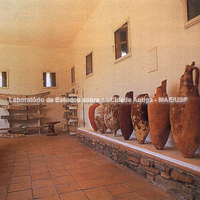
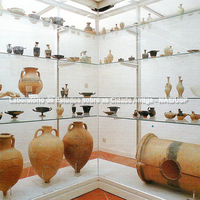
The small museum at the archaeological site of Naxos preserves the objects found during the excavations, presented in an educational way for visitors.

Bibliography (2)
  • Alaimo, F.; Lentini, M. C.; Giardini Naxos.
  • AA.VV.,; Giardini Naxos (Kalós- Luoghi di Sicilia)

Relationship between ásty and khóra

Roads, streets, gates in the walls

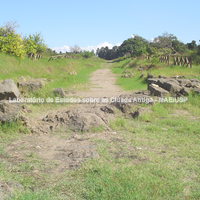
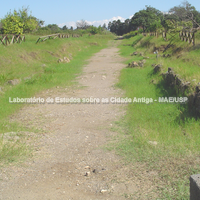
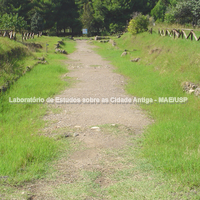
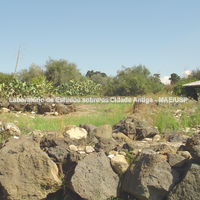
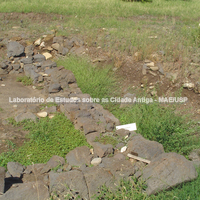
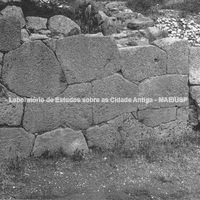
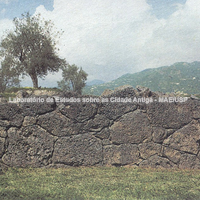
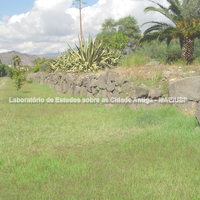
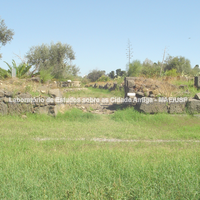
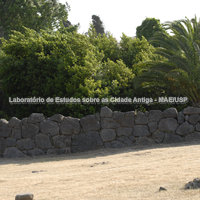
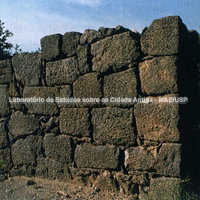
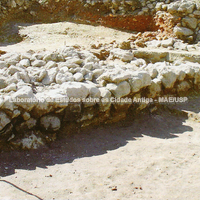
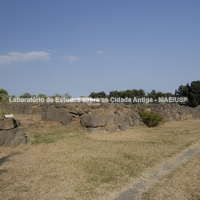
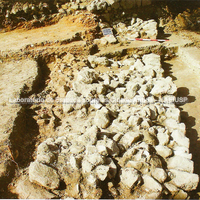
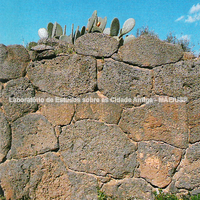
Naxos had walls from the Archaic period. Built of black volcanic stone, many stretches can be identified today when visiting the site. Likewise, many gates have been identified in these walls, linking the most densely populated area with the surrounding area. On the south-west side, next to the sanctuary and temenos of Aphrodite, tower structures have been identified in the wall. These photographs show that, although walled, the city was not isolated from the territory outside the walls, since entire plateiai led directly to the gates. It is also worth noting that on the south side a gate in the city walls opened directly into the sanctuary of Aphrodite.

Bibliography (8)
  • Mertens, D.; Città e monumenti dei Greci d’Occidente.
  • Silva, W. S. e.; Foto acervo Labeca
  • Labeca,; Foto Acervo Labeca
  • Alaimo, F.; Lentini, M. C.; Giardini Naxos.
  • AA.VV.,; Giardini Naxos (Kalós- Luoghi di Sicilia)
  • AA.VV.,; L’Italia dei Greci - Archeoguide.
  • Lentini, M. C. (ed.); Naxos di Sicilia: l'abitato coloniale e l'arsenale navale : scavi 2003-2006
  • Carratelli, G. P.; Sikanie: Storia e civiltà della Sicilia greca.