Didyma

Asia Minor (Ionia)

Located 18 km from Miletus, the great sanctuary of Apollo at Didyma was an extra-urban sanctuary frequented by the whole Greek world.
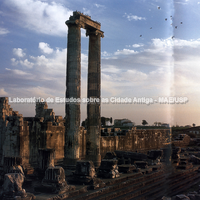
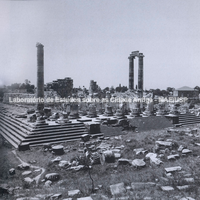
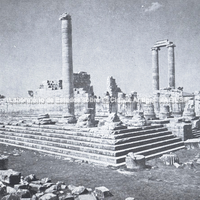
The Didymaion was as important for the cities of Ionia as the oracle of Delphi was for the cities of mainland Greece and the colonies of the West. The great oracle and sanctuary of Apollo Didymaios was under the protection of the neighbouring city of Miletus, from which a processional way led to it. The enormous ruins of the dipteros, dating from 300 BC, show that this temple was not inferior to the two largest Ionian sanctuaries at Samos and Ephesus. The great sanctuary, however, was built during the Archaic period, being completed between 560 and 550 BC. Its fame began at that time. The three columns and some parts of the high walls of the temple are the only ruins on the whole Ionian coast to have survived human action, fires and earthquakes. The temple was destroyed after the battle of Lade, near the harbour of Miletus, and the statue of Apollo was taken to Ecbatana. There is evidence of rebuilding of the temple dating from the first half of the 5th century BC. In the Hellenistic period a new dipteros began to be built and, around 300 BC, Seleucus I brought back the statue of Apollo from the original temple and funded the reconstruction.

Building techniques

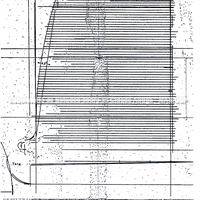
Architectural details

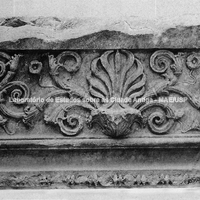
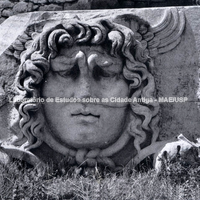
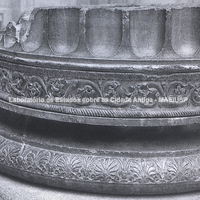
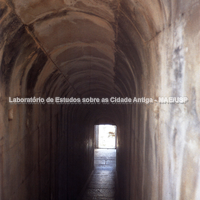
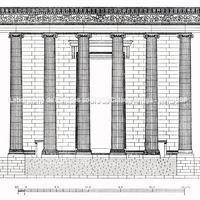
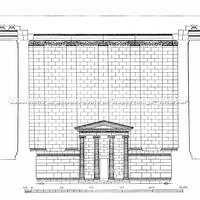
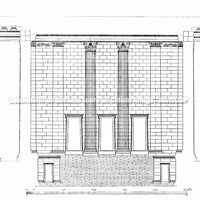
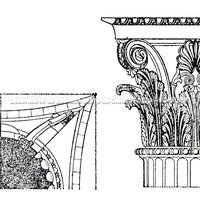
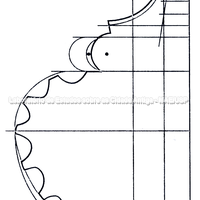
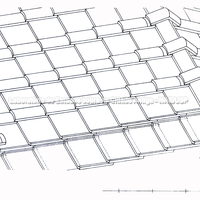
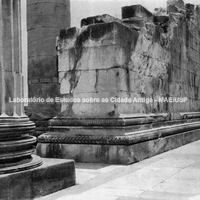
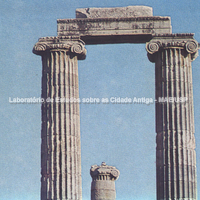
Images of architectural details belonging to the Hellenistic Didymaion.
Bibliography (4)
  • Gruben, G.; Berve, H.; Greek Temples, Theatres and Shrines.
  • Hellmann, M.; L’ Architecture Grecque. 1. Les principes de la construction.
  • Hellmann, M.; L’ Architecture Grecque. 2. Architecture religieuse et funéraire.
  • Spawforth, T.; The Complete Greek Temples.
Forms of occupation of the khóra

Sacred areas: deposits, temples, shrines, sanctuaries, altars

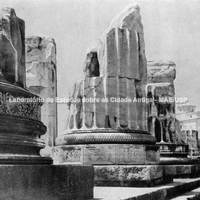
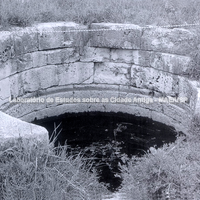
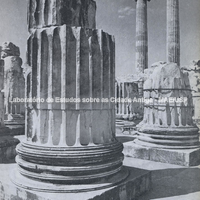
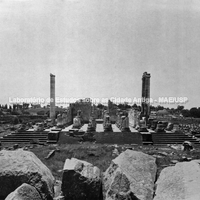
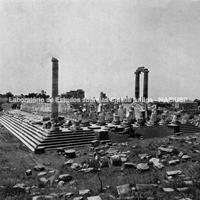
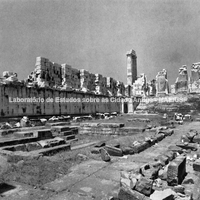
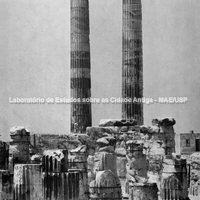
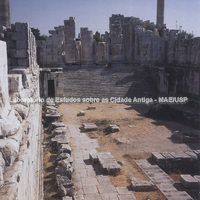
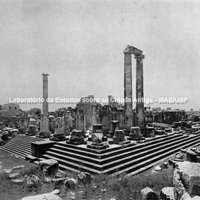
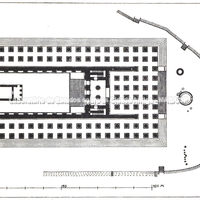
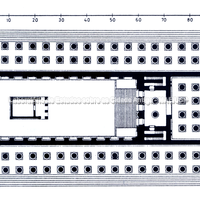
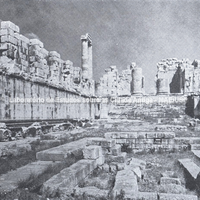
Various images of the temple at Didyma dating from the Hellenistic period. All the ruins visible today are from this period. At the end of the 4th century BC the Didymaion was rebuilt under the rule of Alexander the Great. Around 300 BC the statue of Apollo was brought back and returned to its original place in the now rebuilt temple. The Hellenistic sanctuary was a dipteros and was larger than the original sanctuary: the Archaic temple measured 87.65 x 40.89 metres and the Hellenistic one 109.34 x 51.13.

Bibliography (4)
  • Akurgal, E.; Ancient Civilizations and Ruins of Turkey.
  • Robertson, D. S.; Greek and Roman architecture.
  • Gruben, G.; Berve, H.; Greek Temples, Theatres and Shrines.
  • Spawforth, T.; The Complete Greek Temples.
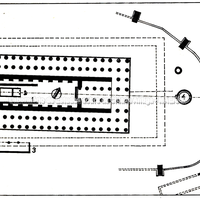
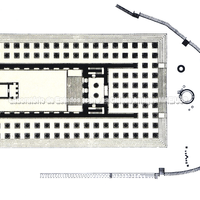
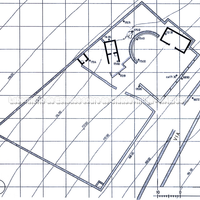
Plans of different parts of the Archaic and Hellenistic Didymaion.

Bibliography (5)
  • Akurgal, E.; Ancient Civilizations and Ruins of Turkey.
  • Coulton, J. J.; Ancient Greek Architects at Work: Problems of Structure and Design.
  • Gruben, G.; Berve, H.; Greek Temples, Theatres and Shrines.
  • Hellmann, M.; L’ Architecture Grecque. 2. Architecture religieuse et funéraire.
  • Spawforth, T.; The Complete Greek Temples.
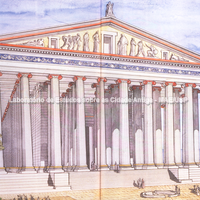
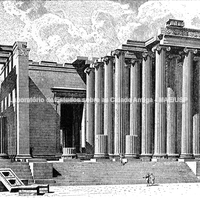
Reconstructions

Reconstructions

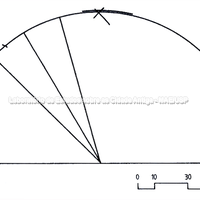
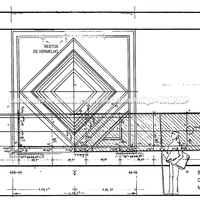
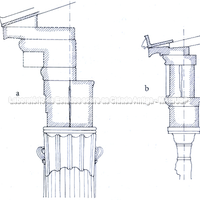
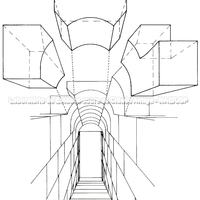
Schematic drawings of different parts of the Didymaion.

Bibliography (4)
  • Coulton, J. J.; Ancient Greek Architects at Work: Problems of Structure and Design.
  • Mertens, D.; Città e monumenti dei Greci d’Occidente.
  • Gruben, G.; Berve, H.; Greek Temples, Theatres and Shrines.
  • Hellmann, M.; L’ Architecture Grecque. 1. Les principes de la construction.

Borders

Natural features: rivers, topography, sea

Map of the Didyma region showing the boundary with Miletus.

Bibliography (1)
  • Museum, J. P. G.; Thesaurus Cultus Et Rituum Antiquorum: (ThesCRA).
Museum

Archaeological object

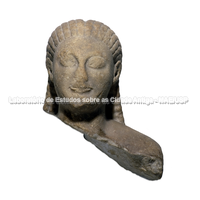
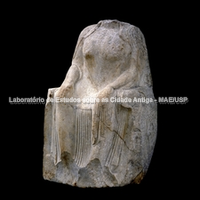
Statues or parts of statues found at Didyma. Objects often help us to identify periods of occupation of a site, the function of the place where the object is found, the importance of that place, and so on.

Bibliography (4)
  • Tuchelt, K.; Die archäischen Skulpturen von Didyma: Beiträge zur frühgriecheschen Plastik in Kleinasien.
  • Richter, G.; Kouroi
  • Crane, G. R. (ed.); Perseus Digital Library.
  • Stewart, P.; The Classical Art Research Centre and the Beazley Archive.