Chersonesos

Black Sea (Black Sea)

"Chersonesos was very different from the other Greek colonies in its ability to survive and prosper much longer than its neighbours and rivals, which ceased to exist. It maintained good relations with the major powers in the Black Sea region – Athens in the 5th century BC, Macedonia in the second half of the 4th century, when Chersonesos controlled all of western Crimea – and maintained a delicate balance with Rome and the powerful Bosporan Kingdom in eastern Crimea." (Carter; Mack, 2003: 18).

Forms of occupation of the ásty

Sacred areas: deposits, temples, shrines, sanctuaries, altars

Temenos.

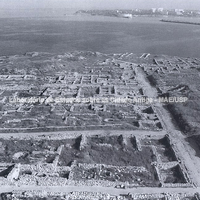
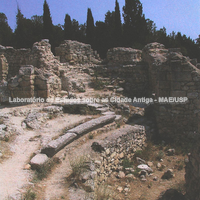
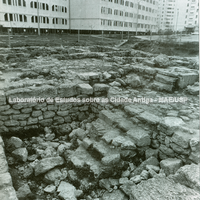
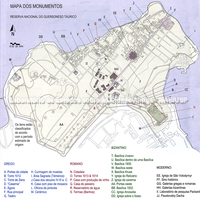
"The main street of Chersonesos ended at a vertical drop to the sea, where there was a stone-paved square dating back to the third or second century BC. The square was among the oldest in Chersonesos and was probably a temenos, that is, a sacred area in the city with altars and temples" (Mack, Carter, 2003: 74).

Bibliography (2)
  • Institut, D. A.; Archäologischer Anzeiger. (2002)
  • Mack, G. R. (ed.); Carter, J. C. (ed.); Crimean Chersonesos: City, Chora, Museum, and Environs.
Forms of occupation of the ásty

Residential areas

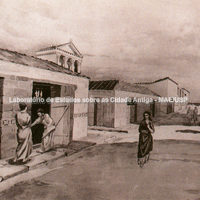
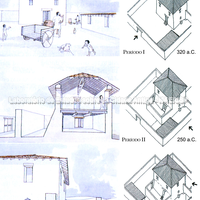
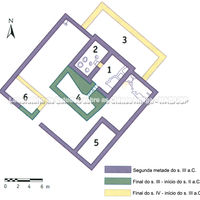
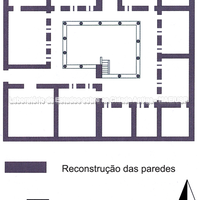
House plans, reconstruction and photos.

Bibliography (3)
  • Institut, D. A.; Archäologischer Anzeiger. (2002)
  • Müller, C.; Prost, F.; Étienne, R.; Archéologie Historique de la Grèce Antique.
  • Mack, G. R. (ed.); Carter, J. C. (ed.); Crimean Chersonesos: City, Chora, Museum, and Environs.
Forms of occupation of the ásty

Urban grid: acropolis, block, agora, plateiai, stenopoi, orientation

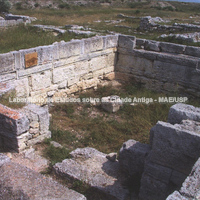
Theatre.

Bibliography (1)
  • Mack, G. R. (ed.); Carter, J. C. (ed.); Crimean Chersonesos: City, Chora, Museum, and Environs.
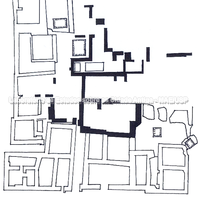
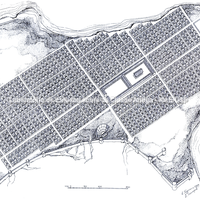
City plans, reconstruction and photos.

Bibliography (3)
  • Kinzl, K. H.; A Companion to the Classical Greek World.
  • Institut, D. A.; Archäologischer Anzeiger. (2002)
  • Mack, G. R. (ed.); Carter, J. C. (ed.); Crimean Chersonesos: City, Chora, Museum, and Environs.
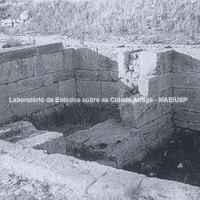
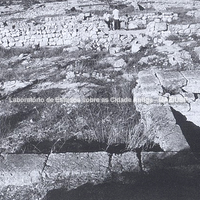
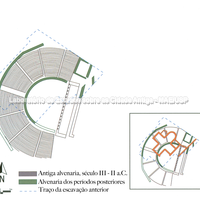
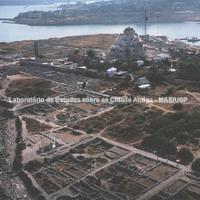
Reconstruction with the theatre of Chersonesos, photos and aerial photos.
"The theatre of Chersonesos is located in the south-eastern part of the city, north of the gates, beneath the remains of the reliquary of a medieval church. It was built in the 3rd century BC and is the only theatre so far identified in the Black Sea colonies. Olbia is known to have had a theatre, but it has never been found." (Carter; Mack, 2003: 76).

Bibliography (2)
  • Institut, D. A.; Archäologischer Anzeiger. (2002)
  • Mack, G. R. (ed.); Carter, J. C. (ed.); Crimean Chersonesos: City, Chora, Museum, and Environs.
Reconstructions

Reconstructions

Reconstructions.

Bibliography (3)
  • Institut, D. A.; Archäologischer Anzeiger. (2002)
  • Müller, C.; Prost, F.; Étienne, R.; Archéologie Historique de la Grèce Antique.
  • Mack, G. R. (ed.); Carter, J. C. (ed.); Crimean Chersonesos: City, Chora, Museum, and Environs.
Research methodology

Archaeology of space

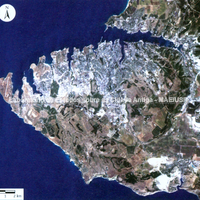
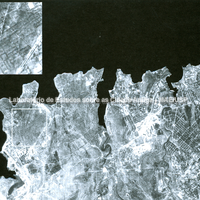
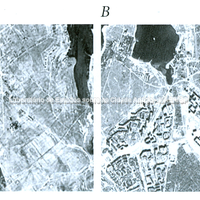
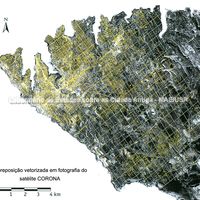
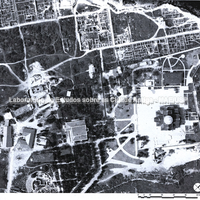
Aerial views of the Crimean peninsula showing how satellite photography can provide images that must then be processed and interpreted by archaeologists.

Bibliography (1)
  • Carter, J. C.; Discovering the Greek Countryside at Metaponto.

Forms of occupation of the ásty

Walls and position of the gates

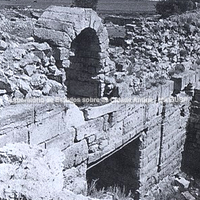
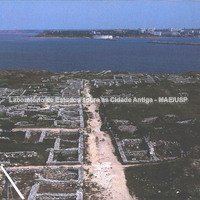
The first fortification around Chersonesos dates from approximately the first quarter of the 4th century. The wall and its towers faced the Heracleian Peninsula.

Bibliography (2)
  • Institut, D. A.; Archäologischer Anzeiger. (2002)
  • Mack, G. R. (ed.); Carter, J. C. (ed.); Crimean Chersonesos: City, Chora, Museum, and Environs.
Relationship between ásty and khóra

Structures between ásty and khóra: walls, necropoleis, sanctuaries.

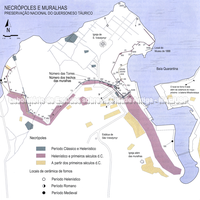
The necropoleis of Chersonesos are very large and close to the ásty.

Bibliography (1)
  • Mack, G. R. (ed.); Carter, J. C. (ed.); Crimean Chersonesos: City, Chora, Museum, and Environs.
Borders

Natural features: rivers, topography, sea

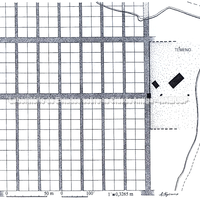
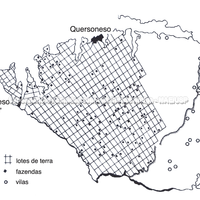
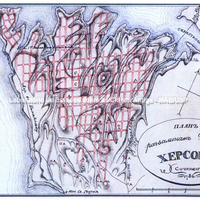
Chersonesos lies on land suitable for agriculture, with gentle rises. From the outset the territory was divided into regular plots of land. The measurements of the khóra are not repeated in the ásty, unlike in other Black Sea poleis such as Herakleia Pontike. Nor is the orientation. The blocks of the ásty measure 27 x 27 m; those of the khóra, 35 x 35 m.

Bibliography (1)
  • Institut, D. A.; Archäologischer Anzeiger. (2002)

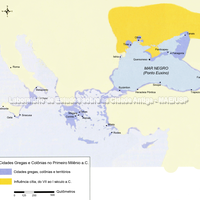
Location of Chersonesos Taurike and the other Greek colonies on the Black Sea and in the Aegean.
Chersonesos was founded by Herakleia Pontike, which – founded around 560–554 by Megara with the contribution of Boeotians – founded Kallatis between 540 and 498, and the foundation of Chersonesos may date from that time. Wasowicz dates the foundation to 422–421 (Wasowicz, 1983: 924).
According to the author, at Chersonesos Taurike, as earlier at Olbia, an intentional zoning can be observed in the area of the ásty and the khóra: one can distinguish a public and political zone made up of the defensive walls, near the main gate, what could be a heroon, the agora, the bouleuterion, the mint and the theatre with 3,000 seats; then the sacred area with the temples; and finally the residential zone, where the houses resembled small farms with an area of about 180 to 200 m².

Bibliography (2)
  • Mack, G. R. (ed.); Carter, J. C. (ed.); Crimean Chersonesos: City, Chora, Museum, and Environs.
  • Wasowicz, A.; Le programme urbain de la polis grecque.

Forms of occupation of the khóra

Residential areas: villages, farmsteads

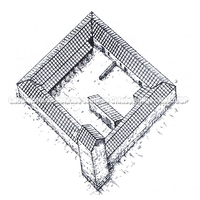
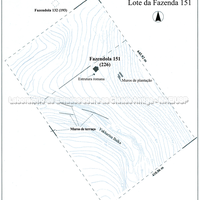
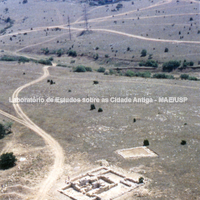
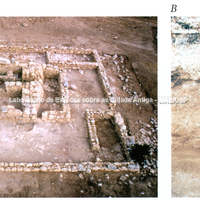
Farmstead buildings, archaeological sites, reconstructions and plans.

"The economy of the ancient world was largely based on agriculture. Much of the population lived their lives in the rural areas of the colonies. Historians, relying mainly on ancient writers, all of them from the urban elite, have had serious problems in representing the ancient world, valuing only the urban world, and many archaeologists have followed their example. Only in recent decades, with a new generation of excavators and archaeologists working with surface survey, have studies turned to the still undiscovered rural areas; not surprisingly, around the ancient cities there were the khorai, or agricultural territories, which were densely occupied not only by slaves or subordinate labour, but also by citizen farmers." (Carter; Mack, 2003: 3).

"The systematic exploration of the ancient countryside began for the first time at Chersonesos at the beginning of the 20th century, revealing the complexity of rural life in the ancient Greek world. Ancient farmsteads and rural houses in some of the large excavated plots helped to understand the network of rural roads explored by the great historian Mikhail Rostovtzeff, who observed that the roads could reveal much about the social and economic aspects of the history of Greek civilisation." (Carter; Mack, 2003:3).

Bibliography (3)
  • Institut, D. A.; Archäologischer Anzeiger. (2002)
  • Müller, C.; Prost, F.; Étienne, R.; Archéologie Historique de la Grèce Antique.
  • Mack, G. R. (ed.); Carter, J. C. (ed.); Crimean Chersonesos: City, Chora, Museum, and Environs.
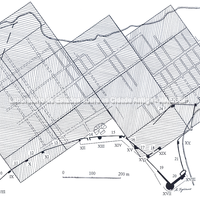
Map of the khóra area of "Old" Chersonesos and Chersonesos.
"During the third and second centuries BC Chersonesos experienced increasing pressure from the barbarians (probably the Late Scythians) on the khóra near its most distant possessions on the Tarkhankut Peninsula to the north-west. This shows a clear alteration in the structures of the nearer khóra. At site 151, for example, the courtyard, tower and gates were narrowed, reinforced and buttressed, and one side of the tower was given a sloping base designed to deflect battering rams (known in the literature as an 'anti-ram' buttress)." (Carter; Mack, 2003: 127).
"The importance of the countryside in ancient life has begun to be recognised at archaeological sites throughout the Mediterranean and the Black Sea. The khóra of Metapontum in Magna Graecia (southern Italy) is perhaps the most thoroughly investigated in the West. But the khóra of Chersonesos is simply the best-preserved monument in the world. More than 500 hectares (1,200 acres) of open country have been preserved out of the 10,000 hectares (25,000 acres) of the khóra that originally covered the whole Heracleian peninsula." (Carter; Mack 2003: 3).

Bibliography (2)
  • Müller, C.; Prost, F.; Étienne, R.; Archéologie Historique de la Grèce Antique.
  • Carter, J. C.; Discovering the Greek Countryside at Metaponto.