
L. Foxhall, H. Forbes and C. Mee carried out systematic studies on the Methana peninsula, one of the main ones being the "Methana Archaeological Survey". H. Forbes developed research along the lines of what he calls "Archaeological ethnography", studying the relationships between the present-day population of Methana and the landscape they experience in daily life. As in antiquity, the present inhabitants of the peninsula live on farmsteads and cultivate the gentle hills of their territory, planting olive trees and cereals. The earliest occupation, from prehistoric times to the Early Iron Age, seems to have been more coastal than inland.
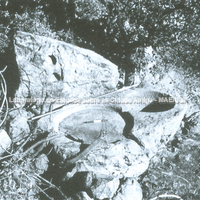 Ancient lever press and press weights.
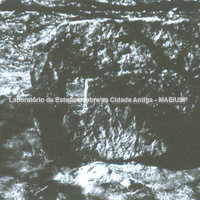 Square press weight block with a hole in the middle (L. Foxhall).
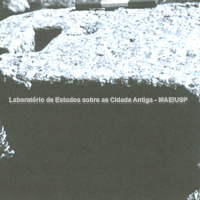 T-shaped press weight block (L. Foxhall).
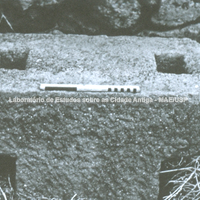 T-shaped press weight block showing rectangular holes in the middle (L. Foxhall).
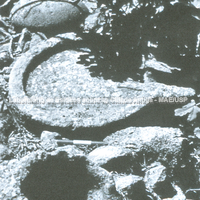 Sample of pressing equipment (L. Foxhall).
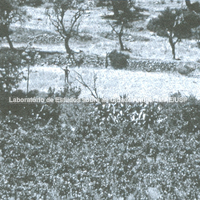 Farmhouse site at Methana (L. Foxhall).
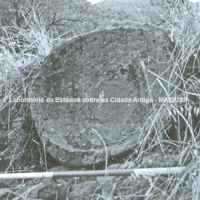 Isolated agricultural processing site with an olive crusher, at Methana (L. Foxhall).
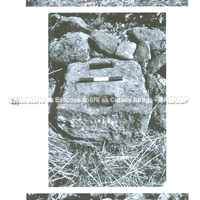 a) view of the site; b) rectangular counterweight block with rectangular cuttings; c)…
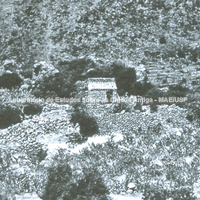 Site MS109, at Methana (L. Foxhall).
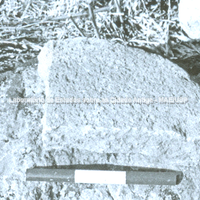 Weights of older rotary mills, at Methana.
Bibliography (2)
- Forbes, H.; Meaning and Identity in a Greek landscape An Archaeological Ethnography
- Foxhall, L.; Olive Cultivation in Ancient Greece: Seeking the Ancient Economy.