Mantineia

Greece (Arcadia)

Mantinea was built around 500 BC through the union of five neighbouring villages. It was politically opposed to its neighbour Tegea, and the two cities competed for power over southern Arcadia and for control of the sinkholes that made the use of the plain possible.

Forms of occupation of the ásty

Urban grid: acropolis, block, agora, plateiai, stenopoi, orientation

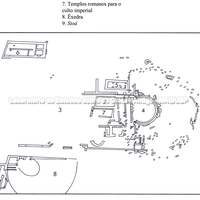
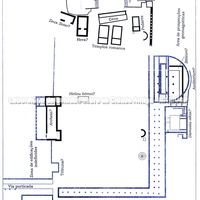
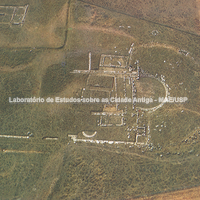
Plans and images of the ásty showing the main public buildings.
Bibliography (2)
  • Schoder, R. V.; Ancient Greece from the Air.
  • Tsiolis, V.; Mantinea-Antigonea: aspectos históricos de una ciudad arcadia
Forms of occupation of the khóra

Position in relation to the walled area

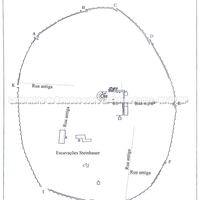
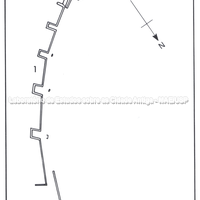
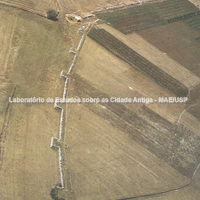
Plans and images of the defensive system. The wall circuit of Mantinea was elliptical, with a total length of 4 km. It is considered one of the finest defensive systems found in Greece and is generally well preserved. Mantinea is one of the rare examples of a Greek city situated on a plain, which perhaps increased the importance of the effectiveness of its defensive system.

Bibliography (2)
  • Schoder, R. V.; Ancient Greece from the Air.
  • Tsiolis, V.; Mantinea-Antigonea: aspectos históricos de una ciudad arcadia
migration

images from the old database

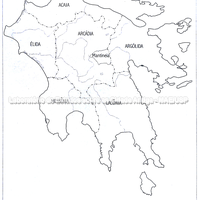
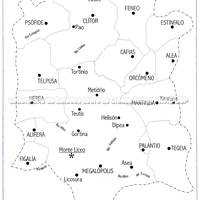
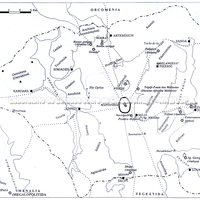
Maps of the Mantinea region.

Bibliography (1)
  • Tsiolis, V.; Mantinea-Antigonea: aspectos históricos de una ciudad arcadia