Halieis

Greece (Argolid)

Halieis is a polis in the Argolid, in the Peloponnese. Its territory covered around 84 km². The city flourished in the Archaic and Classical periods, although in the Archaic period it seems to have been subject to another neighbouring polis, Hermion. In 460 BC Halieis seems to have been "handed over" to another city in the Argolid, Tiryns. Halieis wavered between Athens and Sparta during the Peloponnesian War, which caused the city considerable problems.
The city stood on a small promontory dominating the southern bay of Porto Cheli. The harbour of Halieis was famous, with an anchorage of 1,300 m. The wall circuit connected the city with the acropolis, where there was a temple dedicated to Athena, enclosing an area of 18 ha. This wall dates from the 5th century BC, but there are traces of fortification from the 7th century BC.
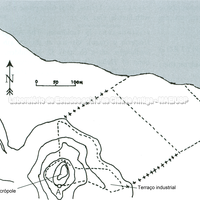
The north-eastern side of the city was built on a regular grid dated to the 6th century BC.

Relationship between ásty and khóra

Structures between ásty and khóra: walls, necropoleis, sanctuaries.

The wall circuit of Halieis connected the city with the acropolis, where there was a temple dedicated to Athena, enclosing an area of 18 ha. This wall dates from the 5th century BC, but there are traces of fortification from the 7th century BC.

Bibliography (1)
  • Frederiksen, R.; Greek City Walls of the Archaic Period, 900-480 BC (Oxford Monographs on Classical Archaeology)

Forms of occupation of the ásty

Residential areas

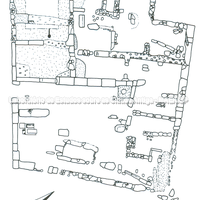
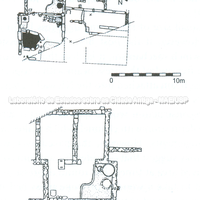
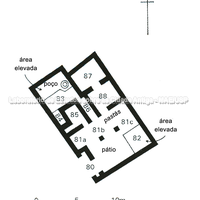
Many houses have been excavated at Halieis, making an important contribution to our knowledge of the forms of residence of the ancient Greeks.

Bibliography (2)
  • Nevett, L. C.; House and society in the ancient Greek world.
  • Foxhall, L.; Olive Cultivation in Ancient Greece: Seeking the Ancient Economy.

Forms of occupation of the khóra

Sacred areas: deposits, temples, shrines, sanctuaries, altars

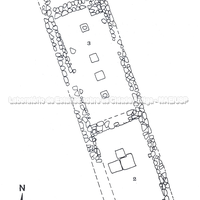
This Archaic temple of Apollo testifies to the early monumentalisation of sacred space. It was found in association with a stoa, and it lies outside the walls.

Bibliography (1)
  • Ainian, A. J. M.; Early Greek Temples: Their Origin and Function.

Forms of occupation of the ásty

Work areas: workshops

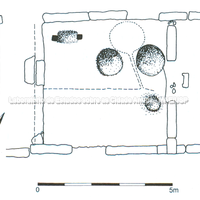
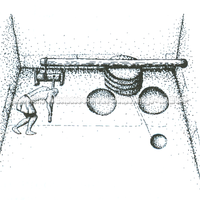
Traces of olive pressing and oil production have been found in houses at Halieis on the so-called "industrial" terrace inside the walls (see the plan). This area would have been in the "lower town".

Bibliography (1)
  • Foxhall, L.; Olive Cultivation in Ancient Greece: Seeking the Ancient Economy.