Heloros

Sicily (South Coast)

The city of Heloros was founded by Syracuse in order to mark territory and provide protection to the south. Textual references to this city attest its existence at the beginning of the 5th century BC. Scholars believe it was the first Syracusan foundation in its territorial expansion. Note that in the walls of Syracuse there was a gate called the Helorine gate. The remains of walls found show that the city was already established at least from the 6th century BC; remains of houses from the end of the 8th century have also been found. Its existence is recorded until the period of Roman rule in Sicily.

Forms of occupation of the khóra

Sacred areas: deposits, temples, shrines, sanctuaries, altars

Outside the city walls a small sanctuary dedicated to Kore, the Koreion, was found. Dated to the Archaic period: in use from the 7th century BC to the Hellenistic period, with an interruption during the 5th century BC.

Bibliography (1)
  • Veronese, F.; Lo spazio e la dimensione del sacro: santuari greci e territorio nella Sicilia arcaica
Borders

Natural features: rivers, topography, sea

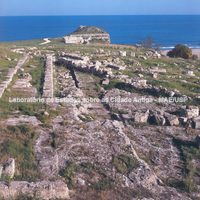
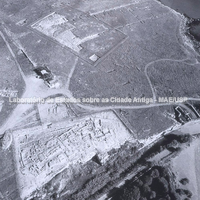
Aerial views of the archaeological site of Heloros.

Bibliography (2)
  • Voza, G.; Nel Segno dell’antico: Archeologia nel territorio di Siracusa.
  • Carratelli, G. P.; Sikanie: Storia e civiltà della Sicilia greca.

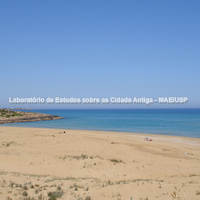
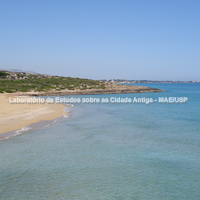
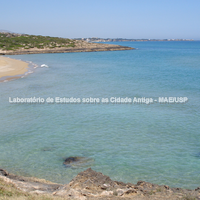
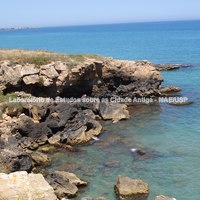
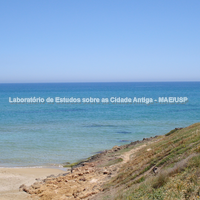
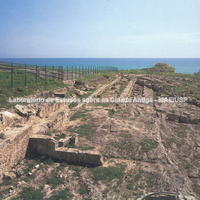
Images of the sea and coast at Heloros.

Bibliography (2)
  • Labeca,; Foto Acervo Labeca
  • Florenzano, M. B. B.; Relatório científico de viagem ao exterior

Vegetation of the coastal area of Sicily.

Bibliography (2)
  • Labeca,; Foto Acervo Labeca
  • Florenzano, M. B. B.; Relatório científico de viagem ao exterior

Forms of occupation of the ásty

Sacred areas: deposits, temples, shrines, sanctuaries, altars

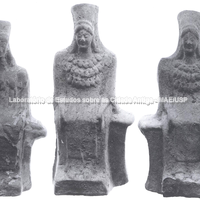
Votive objects indicating the attribution of the great sanctuary in the ásty to Demeter and the strong presence of the cult of this goddess in the city.

Bibliography (3)
  • Voza, G.; Nel Segno dell’antico: Archeologia nel territorio di Siracusa.
  • Buren, A. W. V.; News Letter from Rome
  • Carratelli, G. P.; Sikanie: Storia e civiltà della Sicilia greca.

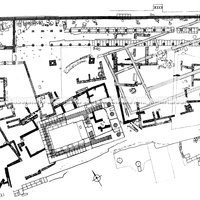
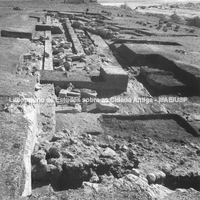
Images and plans of the sanctuary of Demeter. The whole south-western area of the city was redeveloped in the 4th century with the installation of public facilities such as the theatre, a small temple perhaps dedicated to Asclepius, and a large temple, probably dedicated to Demeter. Arulae (portable altars) and other objects were found in the latter, making it possible to identify the goddess worshipped here. It should also be noted that in this area archaeologists found houses dating from the 8th century BC with the same type of plan as those found at Megara Hyblaea, which in the 4th century were overlaid by the buildings of this redevelopment programme.

Bibliography (5)
  • Veronese, F.; Lo spazio e la dimensione del sacro: santuari greci e territorio nella Sicilia arcaica
  • Voza, G.; Nel Segno dell’antico: Archeologia nel territorio di Siracusa.
  • Coarelli, F.; Torelli, M.; Sicilia - Guide Archeologiche Laterza.
  • Carratelli, G. P.; Sikanie: Storia e civiltà della Sicilia greca.
  • Longo, F.; Jannelli, L.; Cerchiai, L.; The Greek Cities of Magna Graecia and Sicily.

Forms of occupation of the ásty

Walls and position of the gates

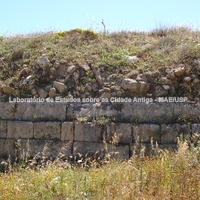
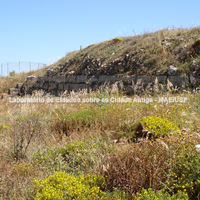
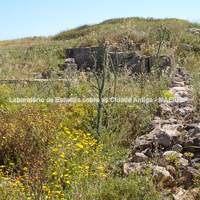
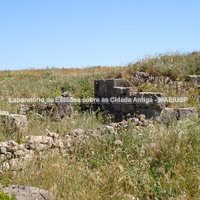
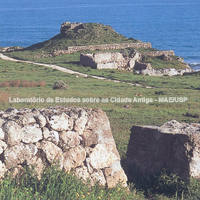
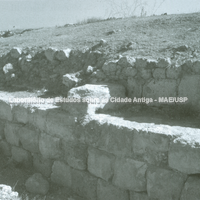
Stretches of wall of various sizes identified at Heloros.

Bibliography (3)
  • Labeca,; Foto Acervo Labeca
  • Frederiksen, R.; Greek City Walls of the Archaic Period, 900-480 BC (Oxford Monographs on Classical Archaeology)
  • Longo, F.; Jannelli, L.; Cerchiai, L.; The Greek Cities of Magna Graecia and Sicily.

Forms of occupation of the khóra

Structures marking the extent of the territory

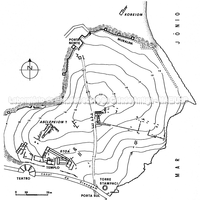
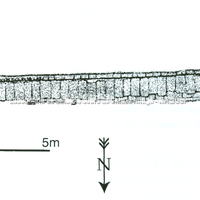
Position of the defensive structures, the walls, and reproductions of some specific stretches.

Bibliography (1)
  • Frederiksen, R.; Greek City Walls of the Archaic Period, 900-480 BC (Oxford Monographs on Classical Archaeology)

Relationship between ásty and khóra

Roads, streets, gates in the walls

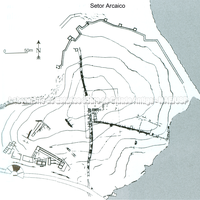
Plans showing the area of the settlement, the main structures and the relationship between ásty and khóra. Note the irregular plateia crossing the settlement and the installation of communal complexes such as the temple of Demeter, the stoai, the sanctuary of Asclepius and the theatre on the south side. These latter installations date from the 4th century BC. Note that the theatre lies outside the original walls. From the central part of the settlement a narrower street, a stenopos, branches off, where several residences have been excavated.

Bibliography (2)
  • Voza, G.; Nel Segno dell’antico: Archeologia nel territorio di Siracusa.
  • Coarelli, F.; Torelli, M.; Sicilia - Guide Archeologiche Laterza.