Delos

Greece (Aegean - Cyclades)

The smallest of the Cyclades, of which it is the central point, Delos is the most famous and archaeologically the most important. The birthplace of Apollo and Artemis, it was a great religious centre of Greece, although surpassed by Delphi as an oracle. There are prehistoric remains on the island dating from before 2000 BC, and the Mycenaean settlement lay by the harbour. The Geometric period brought the cult of Leto, through the Ionians, and of Artemis, through the Dorians; in Archaic times an island confederacy under the leadership of Naxos maintained the sanctuaries, but this changed with the influence of Athens over Delos. During that time the island was purified and burials were not permitted on its territory. The island continued to play an important role, above all commercial, in the Hellenistic and Roman periods, and the most visible remains at the archaeological site today date from that time.

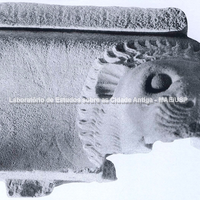
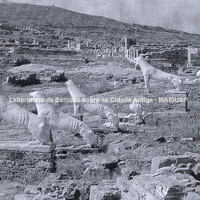
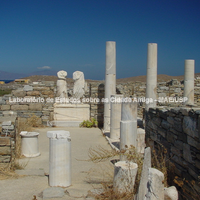
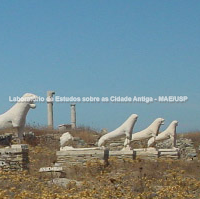
Besides the area of the sanctuaries, highlights include the agora of the Italians resident on Delos, the Terrace of the Naxian Lions and the many houses west of the Sacred Lake and near the theatre.

Forms of occupation of the khóra

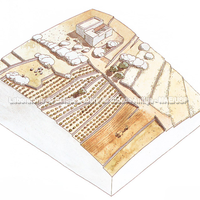
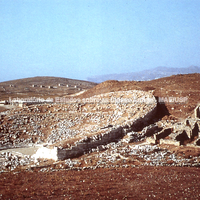
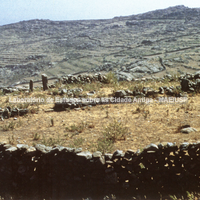
Terracing

Terracing of land for agricultural purposes.
Bibliography (1)
  • AA.VV.,; L`espace grec. 150 ans de fouilles de l’École française d`Athènes.
Forms of occupation of the khóra

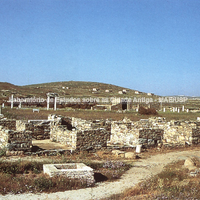
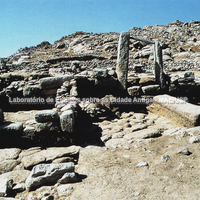
Residential areas: villages, farmsteads

Classical farmstead.

Bibliography (2)
  • Nevett, L. C.; House and society in the ancient Greek world.
  • AA.VV.,; L`espace grec. 150 ans de fouilles de l’École française d`Athènes.

Forms of occupation of the ásty

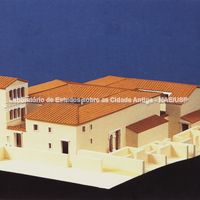
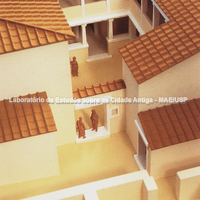
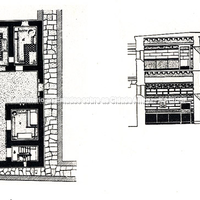
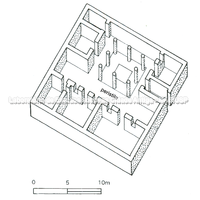
Residential areas

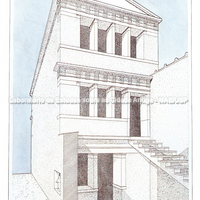
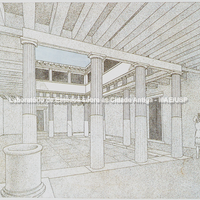
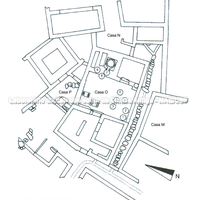
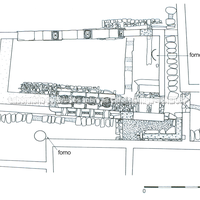
Layout and reconstructions of houses and residential quarters of Delos.

Bibliography (3)
  • Nevett, L. C.; House and society in the ancient Greek world.
  • AA.VV.,; L`espace grec. 150 ans de fouilles de l’École française d`Athènes.
  • Martin, R.; L'urbanisme dans la Grèce antique.

Forms of occupation of the ásty

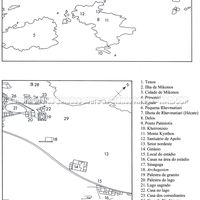
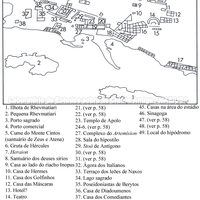
Urban grid: acropolis, block, agora, plateiai, stenopoi, orientation

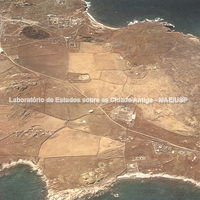
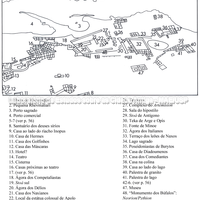
Layout of the urban grid of Delos, with the location of the main points of the site, including:
- Public buildings and places;
- Private residential buildings;
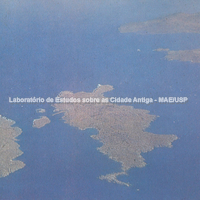
- General and aerial views.

Bibliography (2)
  • Schoder, R. V.; Ancient Greece from the Air.
  • AA.VV.,; L`espace grec. 150 ans de fouilles de l’École française d`Athènes.
Forms of occupation of the ásty

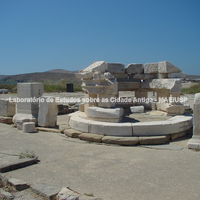
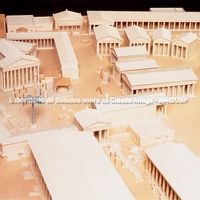
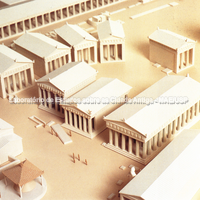
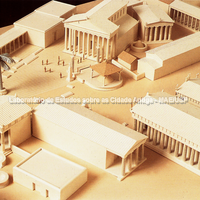
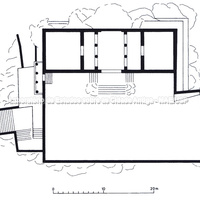
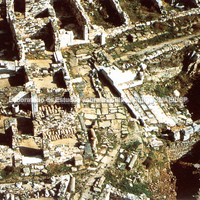
Sacred areas: deposits, temples, shrines, sanctuaries, altars

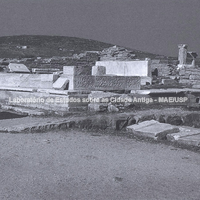
Elements of the Sanctuary of Apollo, located in the centre of the ancient city.

Bibliography (3)
  • Labeca,; Foto Acervo Labeca
  • Hellmann, M.; L’ Architecture Grecque. 2. Architecture religieuse et funéraire.
  • AA.VV.,; L`espace grec. 150 ans de fouilles de l’École française d`Athènes.

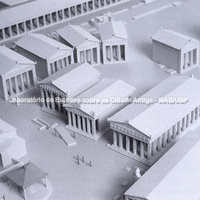
Reconstructions

Reconstructions

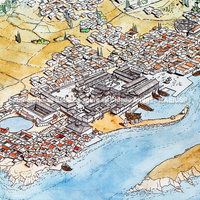
Various reconstructions of Delos and the Sanctuary of Apollo, and its location in the city.

Bibliography (2)
  • Mertens, D.; Città e monumenti dei Greci d’Occidente.
  • AA.VV.,; L`espace grec. 150 ans de fouilles de l’École française d`Athènes.
Forms of occupation of the ásty

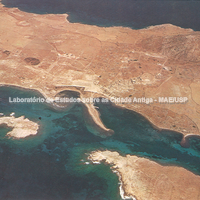
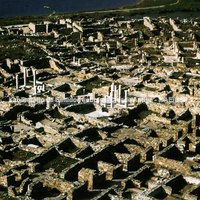
Relationship and connections between the urban grid and the harbour

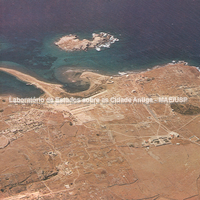
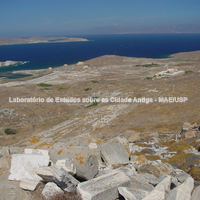
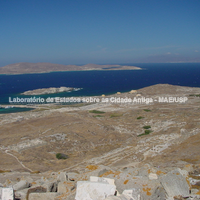
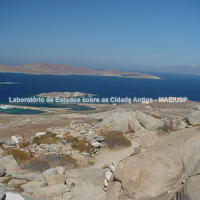
View of the urbanised area and the harbours from higher points on the island.

Bibliography (1)
  • Labeca,; Foto Acervo Labeca

Forms of occupation of the khóra

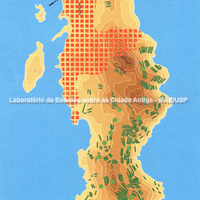
Work areas

Location of olive presses for oil extraction throughout the city, and map of the cultivated fields.

Bibliography (1)
  • Foxhall, L.; Olive Cultivation in Ancient Greece: Seeking the Ancient Economy.

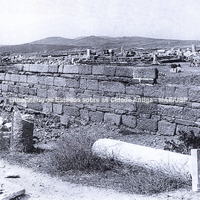
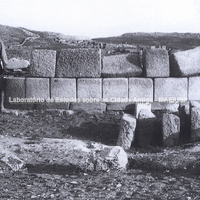
Building techniques

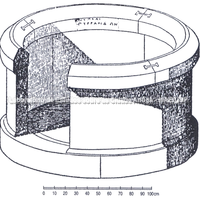
Architectural details

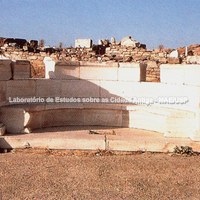
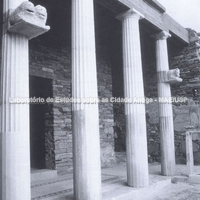
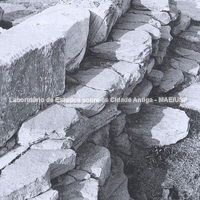
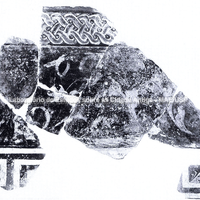
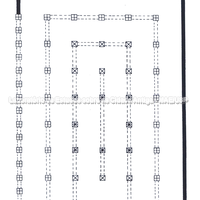
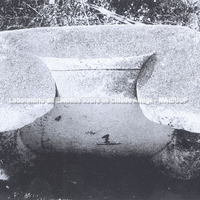
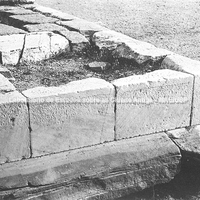
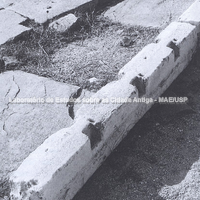
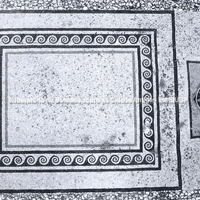
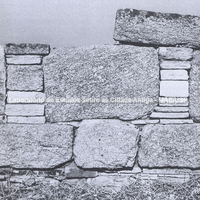
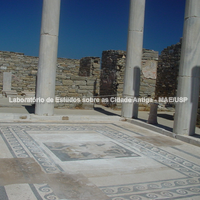
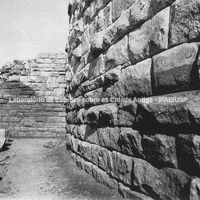
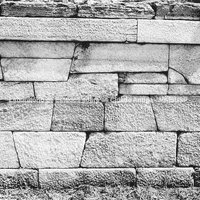
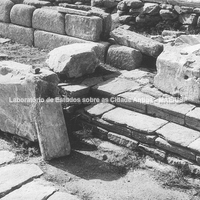
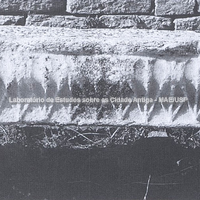
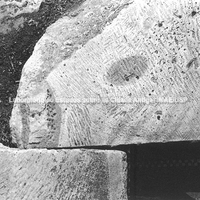
Various architectural details of houses and public monuments:
- Techniques for building and filling walls;
- Decorative details and ornamental techniques.

Bibliography (3)
  • Labeca,; Foto Acervo Labeca
  • Hellmann, M.; L’ Architecture Grecque. 1. Les principes de la construction.
  • Hellmann, M.; L’ Architecture Grecque. 2. Architecture religieuse et funéraire.

Forms of occupation of the khóra

Sacred areas: deposits, temples, shrines, sanctuaries, altars

Distribution and location of sanctuaries and sacred monuments in the khóra.

Bibliography (2)
  • Schoder, R. V.; Ancient Greece from the Air.
  • Hellmann, M.; L’ Architecture Grecque. 2. Architecture religieuse et funéraire.