Berezan

Black Sea (Black Sea)

"The settlement of Berezan, initially known by the name of Borysthenes, was the first link in a chain of poleis that appeared on the northern coast of the Pontus. Together with other city-states, Berezan became an active participant in the culture and expansion of the ancient Greeks in the northern Black Sea and in the transmission of Greek culture across the vast forest and steppe territory of Scythia.
As a zone of contact and interaction between Greeks and indigenous peoples, located in the middle of Herodotus' Scythia, Borysthenes became a powerful magnet, drawing representatives of different tribes into its economic and political sphere." (Solovyov, 1999: XIII-XIV)
The estuaries of the rivers (Bug, Dnieper, Istros) were favoured by the newcomers (mainly Milesians). "The islet of Berezan and the city of Olbia, opposite, are close to the mouths of the Bug (Hypanis) and the Dnieper (Borysthenes), and Berezan should be identified with the Milesian emporion of the Borysthenites mentioned by Herodotus (IV,17,24 and 78)." (Gras, 1998:62, Mediterrâneo Arcaico)

Relationship between ásty and khóra

Structures between ásty and khóra: walls, necropoleis, sanctuaries.

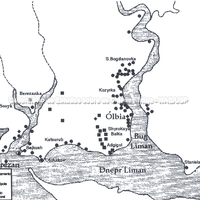
Map of the surroundings of Berezan/Olbia.
Greek occupation on the Black Sea was very dense: around Olbia, for example, 107 Archaic sites have been found, including settlements, necropoleis and farmsteads (Gras, 1998)
Bibliography (2)
  • Solovyov, S. L.; Ancient Berezan: The Architecture, History and Culture of the First Greek Colony in the Northern Black Sea.
  • Gras, M.; O Mediterrâneo arcaico.

Forms of occupation of the ásty

Residential areas

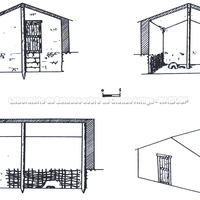
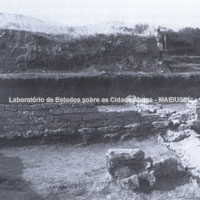
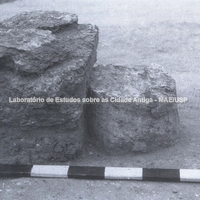
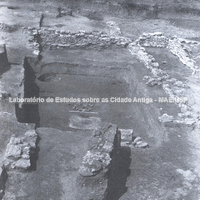
Reconstructions and photographs of the houses.

Bibliography (2)
  • Solovyov, S. L.; Ancient Berezan: The Architecture, History and Culture of the First Greek Colony in the Northern Black Sea.
  • Cicala, L.; L’edilizia domestica tardo arcaica di Elea.

Heating system of the houses.

Bibliography (1)
  • Solovyov, S. L.; Ancient Berezan: The Architecture, History and Culture of the First Greek Colony in the Northern Black Sea.

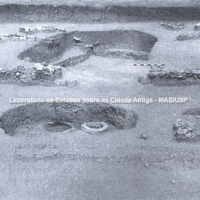
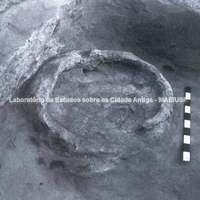
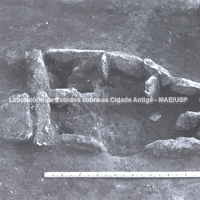
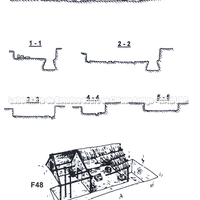
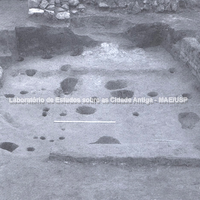
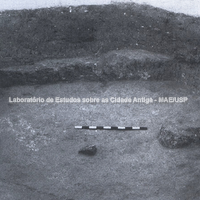
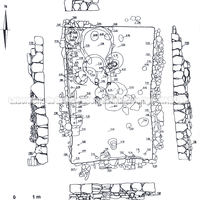
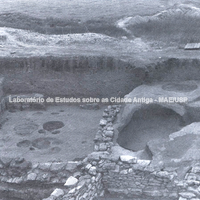
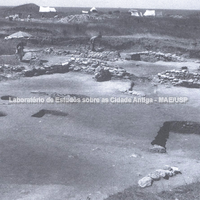
Photograph of the archaeological sites of the pit houses and reconstructions.

Bibliography (1)
  • Solovyov, S. L.; Ancient Berezan: The Architecture, History and Culture of the First Greek Colony in the Northern Black Sea.

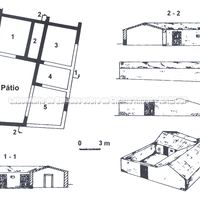
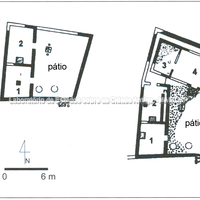
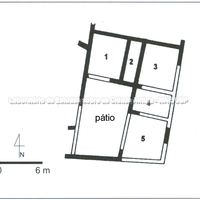
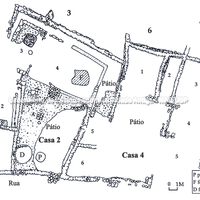
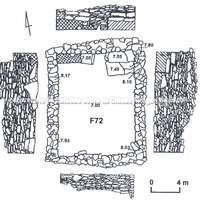
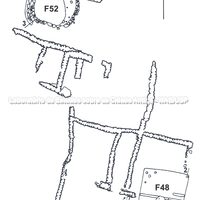
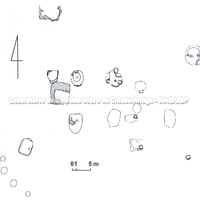
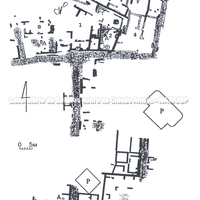
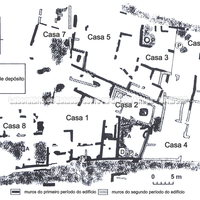
Plan of the houses.
"The standing remains covered an area of 100–200 m² (possibly a little more) and consisted of several living areas for the inhabitants of the house, grouped in various ways around the courtyard." (Solovyov: 1999)

Bibliography (1)
  • Solovyov, S. L.; Ancient Berezan: The Architecture, History and Culture of the First Greek Colony in the Northern Black Sea.

Reconstructions

Reconstructions

Reconstructions of dwellings and burials.

Bibliography (1)
  • Solovyov, S. L.; Ancient Berezan: The Architecture, History and Culture of the First Greek Colony in the Northern Black Sea.

Forms of occupation of the ásty

Water management: channels, cisterns, wells

Plan of the houses with their wells.

Bibliography (1)
  • Solovyov, S. L.; Ancient Berezan: The Architecture, History and Culture of the First Greek Colony in the Northern Black Sea.

Forms of occupation of the ásty

Sacred areas: deposits, temples, shrines, sanctuaries, altars

Space for altars in the houses.

Bibliography (2)
  • Solovyov, S. L.; Ancient Berezan: The Architecture, History and Culture of the First Greek Colony in the Northern Black Sea.
  • Cicala, L.; L’edilizia domestica tardo arcaica di Elea.

Forms of occupation of the ásty

Urban grid: acropolis, block, agora, plateiai, stenopoi, orientation

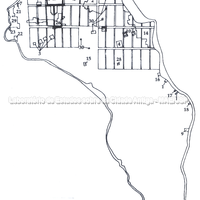
Plans of the ásty of Berezan with its urban planning.
Today it has become clear that the urbanisation of the Berezan settlement, carried out in a short period of time, could not have been implemented without massive Greek immigration. So far, without doubt, Greeks from Ionia (predominantly from Miletus) were the first settlers. Thus the new inhabitants of Berezan had the political organisation of a city-state, which is hard to doubt (Solovyov: 1999)

Bibliography (1)
  • Solovyov, S. L.; Ancient Berezan: The Architecture, History and Culture of the First Greek Colony in the Northern Black Sea.

Museum

Archaeological object

Marble tablets with dedications and hymns to Achilles.
According to Solovyov, the sanctuary of Achilles was under the protection of the polis of Olbia (1999)

Bibliography (1)
  • Solovyov, S. L.; Ancient Berezan: The Architecture, History and Culture of the First Greek Colony in the Northern Black Sea.

Forms of occupation of the ásty

Funerary spaces: necropoleis, scattered burials

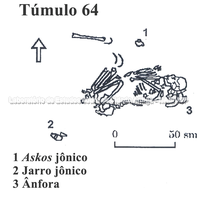
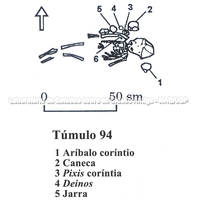
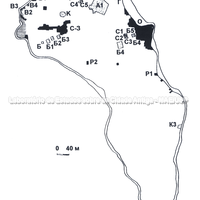
Map of the necropolis and its tombs.

Bibliography (1)
  • Solovyov, S. L.; Ancient Berezan: The Architecture, History and Culture of the First Greek Colony in the Northern Black Sea.

Borders

Natural features: rivers, topography, sea

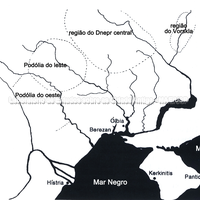
Maps of the coast of southern Scythia.
The Dnieper-Bug estuary region on the north-western coast of the Black Sea.
The estuaries of the rivers (Bug, Dnieper, Istros) were favoured by the newcomers (mainly Milesians). The islet of Berezan and the city of Olbia, opposite, are close to the mouths of the Bug (Hypanis) and the Dnieper (Borysthenes), and Berezan should be identified with the Milesian emporion of the Borysthenites mentioned by Herodotus (IV,17,24 and 78) (Gras, 1998)
Greek occupation on the Black Sea was very dense: around Olbia, for example, 107 Archaic sites have been found, including settlements, necropoleis and farmsteads (Gras, 1998)

Bibliography (2)
  • Solovyov, S. L.; Ancient Berezan: The Architecture, History and Culture of the First Greek Colony in the Northern Black Sea.
  • Gras, M.; O Mediterrâneo arcaico.