Alexandria

North Africa (Egypt)

Alexandria was the capital of Egypt under the Ptolemaic dynasty as well as the largest Hellenistic and Roman city in the eastern Mediterranean. It was founded by Alexander the Great, who was also responsible for the initial planning of the city. The more detailed organisation of the urban plan, however, fell to the Macedonian architect Deinokrates. Archaeology in Alexandria is very scarce and almost all knowledge of the city comes from textual sources. This is because the ancient city was destroyed and a large new city was built over what remained from the 19th century onwards, which has also made excavation campaigns difficult. A good part of the city is also submerged by the sea.

Forms of occupation of the khóra

Funerary spaces: necropoleis, scattered burials

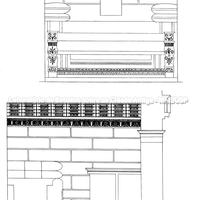
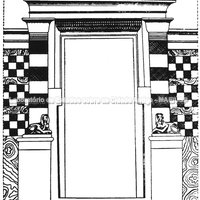
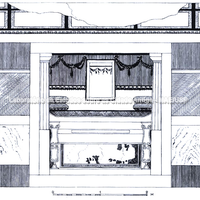
As in most Greek cities, the necropoleis lay in areas outside the walls. In the case of the Hellenistic city of Alexandria, many of the tombs were sophisticated and highly elaborate architecturally.
Bibliography (1)
  • Hellmann, M.; L’ Architecture Grecque. 1. Les principes de la construction.
Borders

Markers: horoi, phrouria, sanctuaries, harbours.

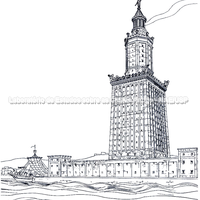
The harbour of Alexandria was extremely important throughout the Hellenistic and Roman periods, for both military and commercial purposes.

Bibliography (1)
  • Hellmann, M.; L’ Architecture Grecque. 1. Les principes de la construction.